
Industry Application — Since 1918
Meat Processing
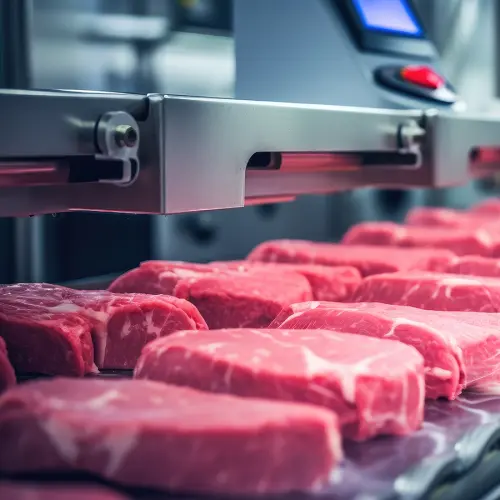
Meat processing facilities produce a very large volume of wastewater that needs to be treated before it leaves the facility. This wastewater is often filled with fat, oil and grease (FOG) as well as solids shed during meat processing. This water is generated in many parts of the meat processing plant such as during slaughtering, holding, blood processing, cutting, meat preparation, and hide and viscera handling. Each of these processes uses a lot of water, resulting in wastewater that needs to be processed to remove fat, oil, grease (FOG) and any solids. In addition, if the water is not properly processed and treated, the overwhelming levels of BOD (biological oxygen demand) and COD (chemical oxygen demand) will create big problems down the line in the wastewater treatment systems and will not meet the required environmental regulations.
4
Products
Since 1918
Established
Made in USA
Manufacturing
Livingston, NJ
Headquarters
Meat Processing Products
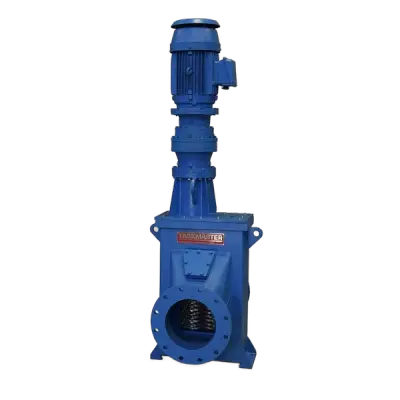
TASKMASTER® TM1600 Inline
Pressure-rated flange housing for pipeline install
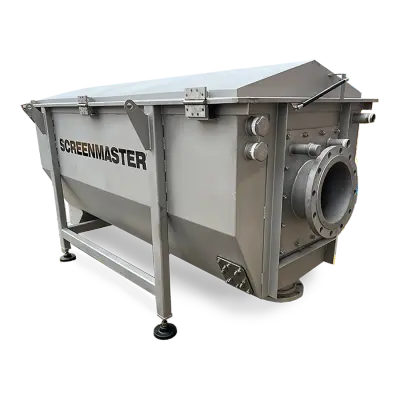
SCREENMASTER® RT Rotary Drum Screen
Internally fed drum with no chains, gears, or belts
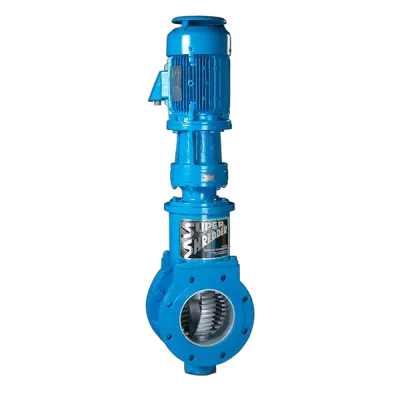
Super Shredder®
Spherical rotor handles higher flows than any other
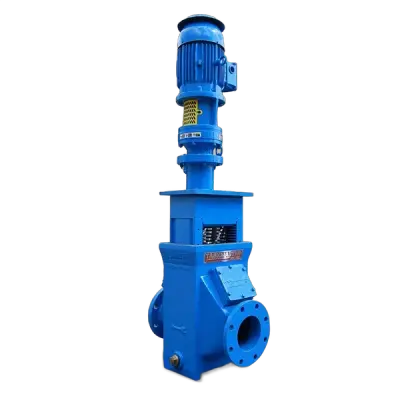
TASKMASTER® TM8500 Inline
Inline pipeline grinder with CUTTER CARTRIDGE® tech
Explore full product lines:
Related Product Categories
Equipment Categories for This Application
Compare product families commonly used for meat processing applications.
Discuss Meat Processing Equipment
This inquiry link preserves application context on the contact form for cleaner lead attribution.
Meat Processing
Franklin Miller has a wide range of meat processing equipment, starting with the SCREENMASTER® RT Rotary Drum Screen to screen out any solids in the water. Franklin Miller grinders such as the TASKMATER® TM8500 Inline and the SUPER SHREDDER® can further process the wastewater to prevent damage to pumps and systems in the municipal plant.
Wastewater Challenges in Meat Processing
Key Wastewater Challenges in Meat Processing
FOG Buildup and System Impact
Meat processing wastewater is heavily loaded with fats, oils, and grease (FOG). If not properly managed, FOG accumulates in pipes, pumps, and treatment equipment, leading to blockages, reduced flow capacity, equipment failures, and frequent emergency maintenance. Installing effective screening and grinding equipment upstream helps break down solids and prevent FOG-related deposits, protecting the entire treatment train.
BOD/COD Regulatory Compliance
Wastewater from meat facilities typically contains extremely high biological oxygen demand (BOD) and chemical oxygen demand (COD), often far above municipal and regulatory discharge limits. To comply with EPA and local regulations—and avoid fines or shutdown orders—facilities must implement robust pretreatment. Proper size reduction of solids is a foundational step to improving downstream biological and chemical treatment performance and lowering BOD/COD concentrations.
Diverse Solid Waste Streams
Throughout slaughtering, blood handling, cutting, trimming, and hide processing, a wide variety of solids enter the wastewater stream. These include bone fragments, tissue, fat globules, hair, and occasional packaging materials. Pretreatment equipment must be versatile and rugged enough to handle this mix of materials while maintaining consistent throughput and protecting downstream pumps, pipes, and treatment systems from damage or clogging.
Franklin Miller Solutions for Meat Processing
Meat Processing Wastewater Solutions
Rotary Drum Screening
The SCREENMASTER RT Rotary Drum Screen delivers primary solids removal for meat processing wastewater. Its rotating drum captures and removes solids from high-flow streams, significantly reducing the load on downstream grinders and treatment systems. With a compact footprint, it is well suited for facilities where floor space is limited.
Need Help With Your Meat Processing Application?
Our engineers have decades of experience solving meat processing challenges. Tell us about your process and we'll recommend the best fit.
Industries & Applications
Explore Other Industries
Batteries
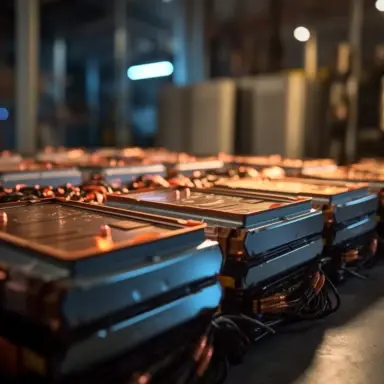
Our battery shredders reduce waste and scrap quickly and efficiently with a low speed high torque operation.

Biomass
Twin shaft grinders are used for primary reduction of biomass solids. Taskmaster® biomass grinders can handle a wide range of materials in biogas production.

Cannabis Grinders
Discover Franklin Miller's Industrial Cannabis Grinder and Knife Mill solutions for efficient, precise, and gentle cannabis processing, ensuring consistent particle size and high-quality end products.

Cannabis Waste Shredders
TASKMASTER® Cannabis Waste Shredders from Franklin Miller deliver powerful, compliant shredding solutions for cannabis plant waste, simplifying disposal and enhancing operational efficiency for growers and processors.
Cardboard
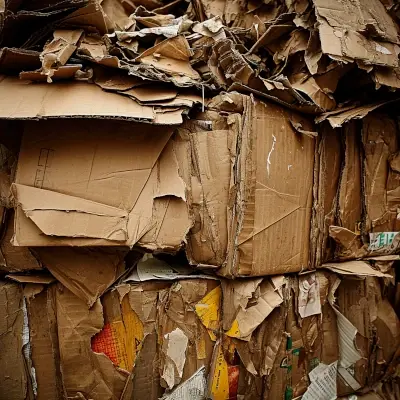
Franklin Miller's TASKMASTER® industrial cardboard shredders streamline recycling, reduce waste volume, and enhance operational efficiency.
Cement
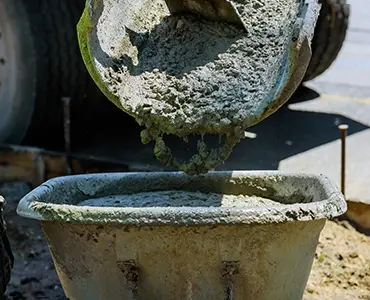
Discover Franklin Miller's Cement Crusher and Cement Lump Breaker solutions, designed to optimize cement production efficiency, reduce downtime, and ensure consistent material sizing and flow for high-quality output.
Correctional Facilities
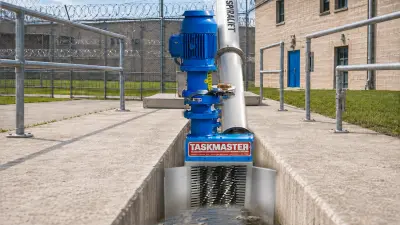
Grinders and screening systems for the sheets, clothing, and contraband correctional facilities send downstream, protecting pumps and plant headworks.

Dairy Wastewater Treatment
Franklin Miller Inc.'s range of innovative dairy wastewater management solutions. From rotary drum screens to advanced grinders, our equipment ensures efficient processing, regulatory compliance, and protection for downstream systems in dairy facilities
Dredging
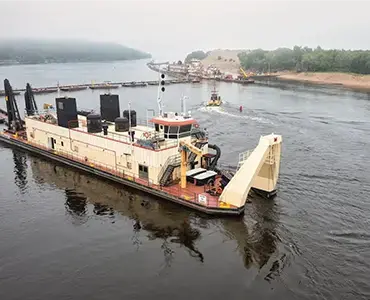
Boost your dredging operations with Franklin Miller grinders, offering efficient debris reduction and protection for dredging pumps. Explore our solutions!

Electronic Waste Shredders
Our electronic waste shredders and e-waste shredders reduce waste and scrap quickly and efficiently with a low speed high torque operation.
Fish & Seafood Processing
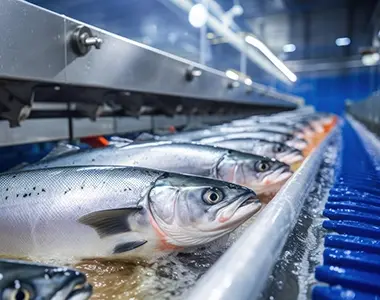
Franklin Miller’s fish shredders can handle the toughest fish and seafood waste. Our seafood processing equipment provide effective solids reduction.
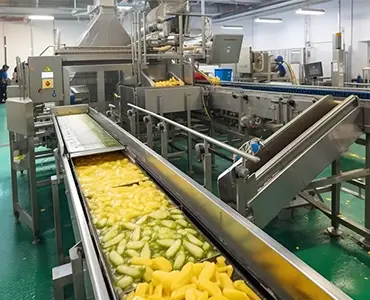
Food Processing Equipment
Franklin Miller's line of Delumpers and Shredders can be finely calibrated to output a specific size for any food processing equipment needs.

Solar Panels
Explore our range of solar panel shredders, crafted to efficiently recycle and recover valuable materials from expired solar panels. Discover how our cutting-edge solutions aid in sustainable waste management.

Food Waste
Franklin Miller’s TASKMASTER® food waste shredders and grinders reduce any foodstuff down to size. Our industrial strength dual-shaft grinders can handle all types of food products with ease.
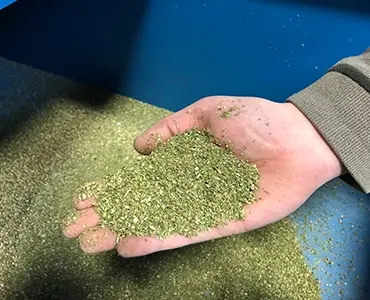
Hemp Mills
DEFINER KM hemp knife mills are compact, high-performance hemp mills that cut solids to the desired output size with a shear action without over grind.

Hemp Shredders
Franklin Miller hemp shredders and mills handle both wet and dry materials with ease. Whether coarse shredding or fine milling we have a solution for any application.

Industrial Treatment
Franklin Miller's range of industrial shredders, crushers, and screening systems for diverse processing applications.
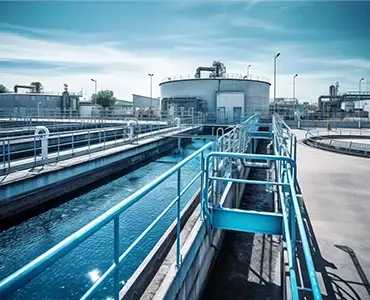
Industrial Wastewater
Industrial Wastewater Treatment Solutions
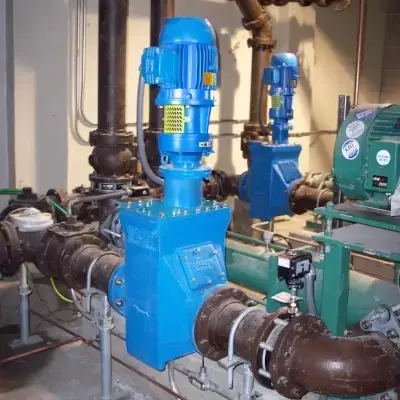
Inline Grinders
Franklin Miller Inline grinders are designed for a wide range of application include high flow, heavy solids, and fine grinding applications.

Medical Waste Shredders
Taskmaster® medical waste shredders are designed for processing syringes, latex gloves and more for safe disposal without the possibility of re-use.
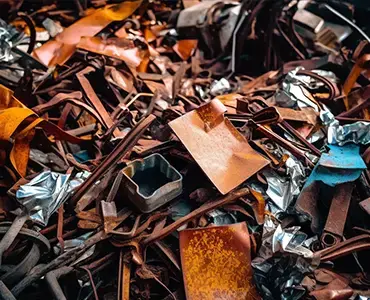
Metal Shredders
Franklin Miller’s industrial metal shredders are the industry standard for any scrap metal recycling operation. Our shredders handle hard drives, circuit boards, laptops, and much more.

Mining
Delumper brand machines crushers deagglomerate coal, fly ash, phosphate, minerals and much. Our unit can handle capacities of 1000 tons an hour and more.

Oil and Gas
Franklin Miller has a multitude of inline processors suitable to handle the complex demands of oil and gas applications. The unique needs pertaining to the extraction, refining, and transporting of petroleum products can be easily handled by Franklin Miller grinders.

Bulk Paper Shredding
Industrial document shredders can handle a large volume of papers, documents, cardboard and more with ease. Check our document shredders online.
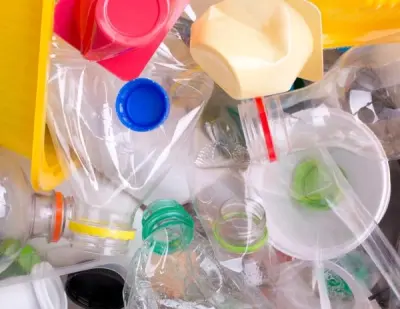
Plastic Shredders
Franklin Miller offers powerful industrial plastic shredders engineered for maximum durability and efficiency.

Poultry Processing
Explore Franklin Miller advanced rotary drum screens and grinders, designed to optimize poultry processing efficiency, reliability, and performance.
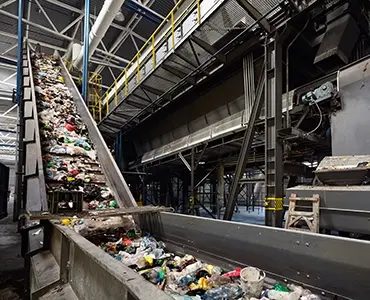
Recycling
Taskmaster® recycling shredders are used at recycling facilities around the world. Our shredders can be configured to meet the needs of any application.

Rendering
Franklin Miller grinders and crushers are used by rendering plants worldwide for size reduction processes. We have a full line of in-line and hopper fed units.

Rubber
Discover Franklin Miller's high-quality Rubber Granulators, designed for efficient and precise size reduction of rubber materials, optimizing recycling processes.

Shipboard Shredders
TASKMASTER® shipboard shredders help with the efficient and ecologically friendly disposal of galley, plastic, and other shipboard waste.
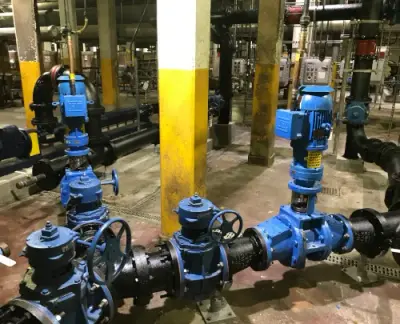
Sludge Grinders
Franklin Miller Inline sludge shredders and grinders are used by wastewater treatment plants for reducing oversized solids in channels and pipelines.
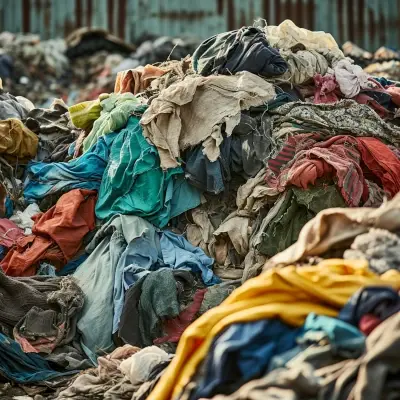
Textile Shredders
Franklin Miller textile and clothing waste shredders can handle large volumes of fabrics, clothing and more with ease. They are ideal for recycling a wide variety of materials.
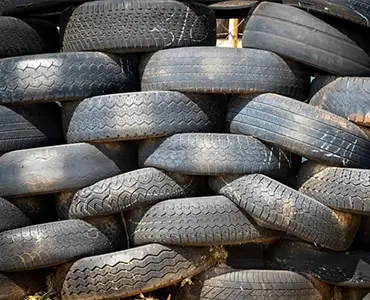
Tires
Franklin Miller tire shredders can shred car, off-road and light truck tires without debeading. Our tire shredders provide cost-effective tire shredding.
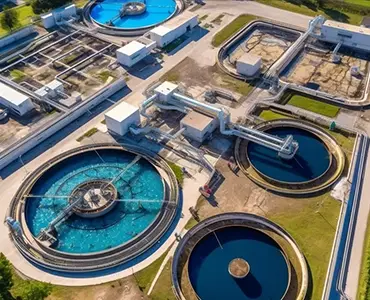
Wastewater Treatment
Franklin Miller manufactures a wide range of wastewater treatment equipment including grinders and screens. Our equipment is engineered for reliability and simplicity.

Wipes
Franklin Miller’s wipes grinders can handle most of the difficult waste including flushable wipes. Our grinders help prevent pumps from clogging worldwide.
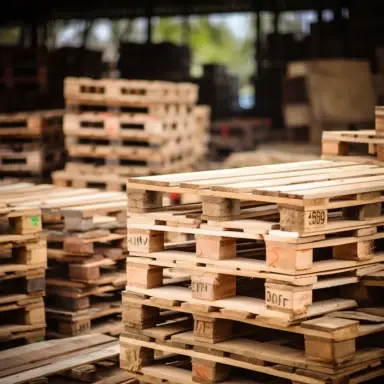
Wood Pallet Shredders
Franklin Miller's industrial wood pallet shredders substantially reduce the expense of disposing of pallets by reducing their bulk volume.
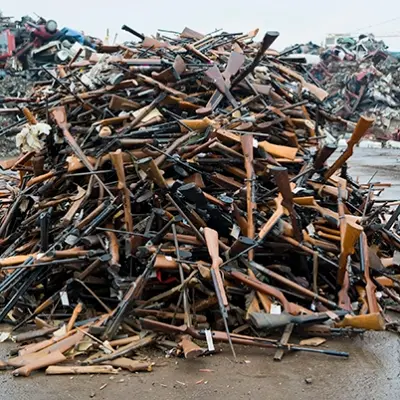
Firearms
Industrial solutions for the safe disposal of firearms.
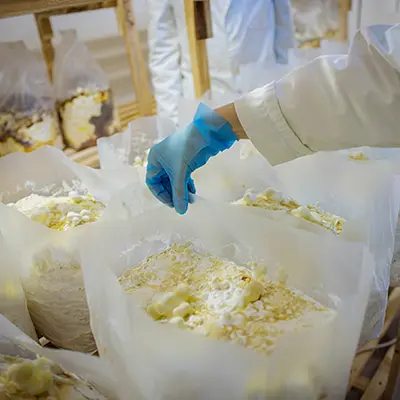
Industrial Chemical Crushers
Franklin Miller's crushers reduce solids, lumps, and agglomerates to precise sizes, ensuring product consistency and operational efficiency.
Trusted by Industry Leaders Worldwide







Engineering Excellence Since 1918
Let's Find the Right Solution for Meat Processing
Our team is ready to help you select the right equipment for your meat processing application and operating conditions.