News & Insights

Blog

Browse all blog articles from Franklin Miller.

Surge Of Wipes Use Causes Strain on Wastewater Systems
Blog·September 25, 2020

Surge Of Wipes Use Causes Strain on Wastewater Systems

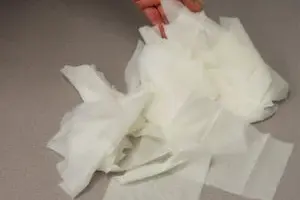
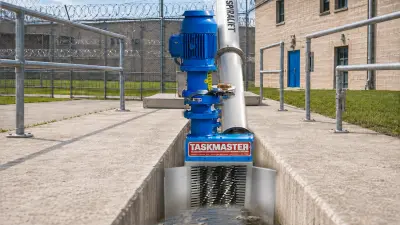
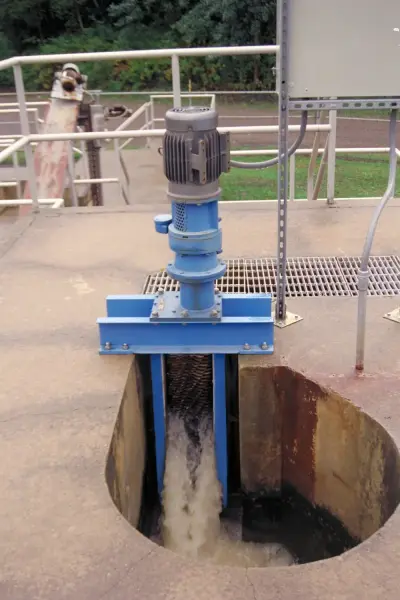
As the Coronavirus pandemic is upending life across the country, it is also putting a major strain on the nation’s wastewater systems. Shoppers are flocking to stores to stock up on toilet paper, paper towels, tissues, and cleaning wipes as they self-isolate at home and try to keep the virus at bay. Many are flushing these items rather than disposing of them properly, which can be catastrophic to pipes and wastewater systems. The major influx of wipes and other cleaning materials into plants is increasing the demand for high powered sewage grinders such as manufactured by Franklin Miller Inc. of Livingston, NJ.  According Franklin Miller’s President, William Galanty, we’re hearing from wastewater plants around the country as well as nursing homes, condo complexes and hospitals.  Blockages caused by non-flushable materials are presenting a major challenge to plant operations. Says Galanty, “we always recommend that the public not flush cleaning materials or other foreign objects because plants are experiencing major issues with them.” These various cleaning and disinfecting materials can be quite useful at home but they are often not biodegradable and do not break down like toilet paper. Instead, they accumulate in and clog pipes, congregate on equipment, cling to valves, hang out on pump impellers, and generally constitute a dangerous nuisance at times like these. In many cases, a lack of toilet paper has led residents to use other items in place of toilet paper. Numerous sewer pump clogs are being reported from the influx of paper towels, napkins and in some cases even material such as cut up towels or clothing. Because these items are not meant to break down like toilet paper, they are clogging the systems. Sewer officials across the nation are putting out a distress call over this crisis within a crisis. The combination of a shortage of plant personnel and this major influx of wipes and other cleaning materials is costing municipalities large sums in increased plant maintenance and downtime. Officials warn of the growing problem in not only the wastewater treatment system, but in individuals homes as well. In a statement, the Boston Water Commissioner stated that clogged pipes can lead to additional health hazards. “In these times when we’re confronting a major health crisis, the addition of health hazards created by clogged pipes and blocked sewers are situations we don’t need and that are quite avoidable,” the sewer commission said in a statement. New Jersey American Water put out an advisory to their customers not to flush anything down the toilet. “Flushing wipes, paper towels or other paper products not intended for use in wastewater systems down the toilet can lead to sewer backups and in-home plumbing issues that may be expensive to repair.” If your wastewater facility is facing this problem give Franklin Miller Inc a call to discuss how one of their powerful grinders can help.  Call them at 973-535-9200. For more information contact Franklin Miller Inc. 60 Okner Parkway, Livingston, NJ 07039 973-535-9200.

Read More
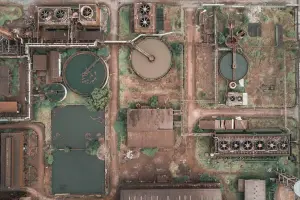
aerial view wastewater treatment plant
Blog·March 8, 2020

What is Wastewater Treatment and What are its Stages?

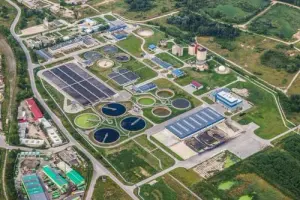
You would never drink the water straight out of your toilet, would you? Of course you wouldn't, but there's a good chance you've consumed water that was waste at some point. But can wastewater ever be made clean enough to drink? And how does it get processed to become something that can be used for irrigation and industrial purposes? Well, the process of treating water starts in the toilet. American toilets drain to wastewater treatment plants. In fact, 76% of the United States rely on an estimated 14,748 wastewater treatment plants, according to ASCE. But what happens after the water is sent to a wastewater treatment facility? And what health implications are caused when a step in this process doesn't go according to plan? Continue reading to find out what is wastewater treatment, how it works, and how wastewater can be processed into a drinkable liquid. What is Wastewater Treatment So what is wastewater treatment? It's the process of removing pollutants from wastewater and converting it into something free of solids and organic matter. This allows the treated water to be returned into an ecosystem with little-to-no impact on the environment. There are five steps in the wastewater treatment process: pre-treatment, primary treatment, secondary treatment, the disinfection process, and the release. Improper execution and/or skipping any of these steps can have disastrous effects on local water supplies and public health. Pre-Treatment Once wastewater arrives at a water treatment plant, it goes through the process of pre-treatment. This begins with the wastewater flowing through a bar screen. A bar screen is a mechanical filter used to separate larger things from the wastewater. Unfiltered sediments and organic material can accumulate and cause major clogs. This can slow down the water treatment process overall and clogs can result in downtime for a wastewater treatment facility. They also tend to make a mess. The items removed from the bar screen then get sent to landfills. After processing through the bar screen, the wastewater gets sent through a grit chamber. Grit chambers are narrow and long tanks that lower the velocity of flowing water. This allows small particles like coffee, eggshells, and rocks to settle out. These particles have to be sifted out because they can't be removed with chemicals. The sediments settled in grit chambers can cause excessive wear on other pieces of equipment in the wastewater treatment process. The grit can also clog and destroy pumps. Now that the water has gone through pretreatment, it's ready for primary treatment. Primary Treatment After sediments have settled in the grit chambers wastewater can move on to a primary clarifier. A primary clarifier is a tank that holds wastewater and allows heavier solids to settle at the bottom, becoming sludge. The lighter materials float to the surface of the water, where it becomes scum. Primary clarifiers rely on settling velocity. Settling velocity is the speed at which a particle settles. As wastewater is pumped into a primary clarifier, its flow rate cannot exceed the settling velocity of the water. After completing primary treatment, wastewater becomes effluent - a slightly treated wastewater free of solids and organic material. Now the effluent can move on to secondary treatment. Secondary Treatment This is the last step of the water treatment process that removes solids and larger biological matter. Secondary treatment begins with the effluent flowing into an aeration basin. An aeration basin holds the effluent and artificially adds air to it. This process, known as aerobic digestion, breaks down the organic matter left in the effluent. Some older water treatment plants use an additional step ahead of the aeration basins involving biofilters. Here, the effluent is poured over stone or plastic and bacteria eat away at the organic material in the water. Generally, this process isn't used anymore because it isn't as efficient or effective as modern wastewater treatment practices. Next, the effluent is pumped into a secondary clarifier. In the secondary clarifier, the sludge is removed and pumped back into aeration basin. Now, the effluent is ready for disinfection. The Disinfection Process By the time effluent reaches the disinfection process, 85% of organic matter has been removed from it. The disinfection process removes the harmful pathogens still in the effluent. It can be accomplished through one of three steps. Chlorine Disinfection - Imagine chlorine disinfection as a process of bleaching the effluent. This is a chemical form of disinfection, and the chlorine must be removed from the effluent before it can be discharged to stream or lake. Ozone Disinfection - This process involves pumping an electrical current through the effluent to disassociate diatomic oxygen molecules (O2) so they can combine with a free oxygen molecule and form ozone (O3). The process of ozone disinfection can kill as much as 99.99% of bacteria. UV Disinfection - UV disinfection uses ultraviolet light to sterilize the harmful microbiomes left in the effluent. Even though the microorganisms aren't removed, they are dead and harmless. Now the wastewater has been stripped of all large and microscopic organic and inorganic materials and it has been disinfected. The effluent can finally be released. Effluent Release Effluent release generally exists in two forms. The treated wastewater can be released into local streams or waterways since it is no longer harmful. This allows the effluent to rejoin the water cycle of the local ecosystem. But in areas where water is scarce, effluent can also be discharged into another treatment plant. Here, the effluent is treated for consumption. This is typically not practiced in the United States. However, some cities and municipalities are considering pumping effluent into their aquifers to increase their water supply. Reclaiming Water Though it may sound like a long journey, the water treatment process only takes about 24 to 36 hours from start to finish. Water sanitation is a dirty job, but you can thank the 14,748 water treatment plants for the peace of mind you have after you flush the toilet. If you're still wondering what is wastewater treatment, if you have questions about the wastewater treatment process, or if you are hoping to use water treatment at your business, please contact us.

Read More
shredded paper strips
Blog·April 22, 2019

How to Find the Right Paper Shredder for Your Business

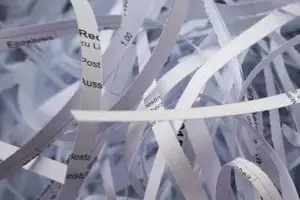
Given that destroying paper is rather generic, you’d think all paper shredders are the same, right? On the contrary, there are different types of commercial paper shredders, with so many models that it can be difficult to choose which one will best suit your needs. There are several reasons you may need a paper shredder, and these motives will help you determine which one you should purchase. In this guide, you’ll learn everything you need to about paper shredders, and why you may need to get one for your business sooner rather than later. The Importance of Paper Shredders Data security is a major concern for most businesses. If sensitive information gets into the wrong hands, it could destroy your company. Data breach cases are growing by the day, and one of the best ways to prevent them from happening is by destroying any documents you need to dispose of. Instead of looking for places to securely store this information, a paper shredder will help you maintain security effortlessly. Let’s look at some benefits of paper shredders. For Protection Against Identity Theft When sensitive documents are shredded, they pose no threat at all. If they’re unreadable, then your business is safe from unscrupulous parties. Shredding your documents means that confidential information will not be exposed to identity theft. The Law Requires It Some businesses, such as law firms, healthcare, and financial services, are required by law to shred their documents. If you fall under this category, you have a legal obligation to protect your clients’ sensitive information, and you would be complying with the GLB, SOX, HIPAA, and FACTA laws. Customer Confidence and Clutter Reduction Depending on your type of business, your customers highly depend on you to protect their medical, financial, and personal information. With a document shredding policy in place, your customers will have confidence that they are safe as they know their information will be well disposed of. Beyond that, paper documents pile up over time, and if you’re not careful, your office could be filled with clutter. This could dampen productivity and impact employee morale, so shred those documents to minimize clutter. All you have to do is digitize all the information you need then shred the documents, DVDs, and credit cards you have. Cost-Effectiveness and Eco-Friendliness Shredded papers can be recycled, which will reduce waste, and as long as you get the right paper shredder, you won’t have to worry about energy efficiency. This is an affordable way to get rid of excess papers, reduce clutter, and avoid data theft. What to Consider When Choosing a Paper Shredder Regardless of whether you want to protect your customers and employees from identity fraud or to comply with the law, there are several factors you must consider before choosing a paper shredder. Ask yourself what level of security you want, where you’ll be using the shredder, and what features you need to make things easy. Types of Paper Shredder Cuts There are many types of shredders, from home shredders to industrial shredders. All these give a different paper cut, so consider which one suits your needs. Strip-cut shredders are the most basic cut and most suited for non-confidential documents. The papers are shred vertically in long but narrow strips that are often still readable. Cross-cut shredders shred confidential documents, and they offer a medium level of security where the papers are barely legible. Micro-cut shredders are the advanced option, and they shred highly confidential documents, and they result in confetti-like papers. Crypto-cut shredders are used to destroy incredibly sensitive data, and they shred documents to dust. Additional Considerations There are several more considerations you need to make while choosing a paper shredder. Bin Size This will depend on how much shredding you plan to do, and the more the shredding, the bigger the bin you need. Maximum Page Load This refers to the number of documents you can feed to the shredder at the same time. If you’re just a small business, a maximum of 10 pages will do, but if you have a large business, then you may want to consider a larger capacity. Slot Size Shredders come in all sizes, so consider the size of the documents you need to shred. Beyond that, you also want to consider the format of the data you want to destroy. Some shredders will only shred paper documents, while others will go as far as shredding floppy disks, CDs, paper clips, DVDs, and credit cards. Mobility Consider how many people will need to use the shredder in the office to see whether you need a mobile one that can easily move from one place to the other. Run Time The run time and cool-down time of the shredding machine matters. Most people don’t consider this when choosing a paper shredder, but the run time, also known as the duty-cycle, means that you can only use it for a given period of time then wait for it to cool down. Manual vs. Automatic Feeding Manual feed shredders are exactly what they sound like. You need to feed them manually, and it’s okay if you don’t need to shred too many documents at once. However, an auto feeder would be ideal if you need to shred plenty of papers. Auto feeders have a tray where you place all your documents, then press a button and leave the machine to do the rest. The Noise Level This is also another overlooked feature, and most people only realize that noise is a factor when they use the shredder. On average, most shredders have a noise level of 65 decibels, so consider what will be a disturbance in the office. Look for one that shreds silently, especially if you do lots of shredding throughout the day. How to Maintain Your Paper Shredder Maintaining a paper shredder is relatively easy. It’s recommended that you oil the blades each time the capacity is full or after doing intensive shredding. You may also refer to manufacturer instructions when you choose the right shredder for your business. You also need to keep it clean using a vacuum cleaner to get rid of the paper dust that sticks on the blades. Start Shredding Your business may encounter legal penalties if it fails to dispose of sensitive documents and materials properly. Investing in a paper shredder might be one of the most important things you can do for your business. There are many options on the market, and now that you know what to look for, you can make an informed decision.If you’re looking for the best shredder for your business, contact us or check out our website to see some of your options.

Read More

Technical Resources & White Papers

Access engineering guides, technical specifications, and industry white papers to support your project planning.

Engineering Excellence Since 1918

Ready to Solve Your Toughest Processing Challenges?

Our team of engineers is ready to help you find the right equipment for your application.