News & Insights

Blog

Browse all blog articles from Franklin Miller.

industrial shredder product image
Blog·May 8, 2022

Industrial Shredding Machines: Must-Know Tips to Get Your Job Done
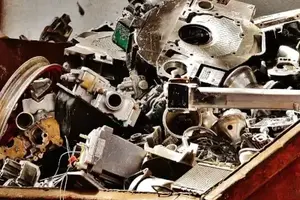
In 2017, it was found that the U.S. produced 267.8 million tons of waste. This includes both residential and commercial items being thrown away. Out of this total, approximately 35 percent of the waste was recycled or composted, leaving only 139 million tons to find its way to a landfill. Waste in general can have a negative impact on the environment, but industrial waste specifically is incredibly hazardous. That’s why many businesses and industries are looking for ways to reduce their environmental impact by recycling what they can. Shredding machines can help with the process. Read on for some tips on how to find the machine that will get your shredding jobs done right. Know What Shredding Machines You Need The first thing in getting your shredding jobs done right is to know what type of industrial shredder you need. There are many different ways to shred material. Here are a few: Grinders – The most thorough way to shred materials is to put it through a shredder. Whatever you put into this shredder comes out the other end as dust. Strip-cut – These shredders cut the material into even, rectangular sheets. Cross-cut – This type of shredder will cut the material twice. It generally starts with a strip cut and then finishes with a horizontal cut. Depending on the type of blades the shredder has, the resulting particles will be square- or diamond-shaped. Particle-cut – This shredder cuts in pretty much the same way as a cross-cut shredder, but the shape of the resulting particles will be even more specific. Other ways to shred include micro- and crypto-cuts. An industrial shredder has the ability to cut just about any material you put into it. However, when it comes to finding the right one, you need to consider what your specific needs are. For example, if you are a financial institution trying to get rid of sensitive account information, then getting an industrial paper shredder that does particle cuts or grinds will keep this information from falling into the wrong hands. If you don’t need to make sensitive information difficult to read, then choosing the right shredder will depend on different factors. What Are You Shredding? When it comes to finding the right shredder machine for your business, you need to consider the type of material you will be shredding. If your business primarily takes care of metal, then buying a metal shredder will work the best. Should you have a lot of plastic that you are trying to recycle or reduce before throwing out, then a plastic shredder is going to be your best option. In addition to thinking of your current shredding needs, you might also consider where your business will be going in the future. You might mainly shred paper right now, but if there’s the possibility of shredding plastic or metal in the future, buying an industrial shredder that can handle all these materials is in your best interest. How Does the Material Need to be Cut? The four types of cuts that shredders can make were listed above. Knowing which one is best for your business will depend on what you are doing with the shredded material. If you are preparing metal or plastic for recycling, then using a strip shredder may be all that you need. Should you be planning on composting your materials, then making them as small as possible is beneficial. That’s when a grinder can come in handy. What Contaminants Will be in the Shredded Material? No matter how careful you are, the material that you shred will get contaminated in some way. This isn’t necessarily a bad thing, but it will have an impact on the type of shredder you get for your business. You might think you are only going to use your shredder for wood materials, especially waste that comes from construction sites. However, it’s possible that nails or screws might still be in the wood. Unless you plan on removing every single one of these before placing the wood into the shredder, you might consider getting a machine that can handle small bits of metal. How Much Material Do You Need to Shred? If you have a lot of material that needs to be shredded on a daily basis, then you need to make sure that your shredder can handle the job. This might include getting a larger machine that is more durable and has heavy-duty blades. Should you find that you only need to shred once in a while, then you don’t want to spend more than necessary. Shredders come in a wide range of sizes and capabilities, so it’s possible to find one that will fit all of your business needs. Benefits of Using a Shredder One of the biggest advantages to adding a shredder to your business is that it can help reduce the amount of waste that finds its way into landfills. If you are looking for a way to recycle or repurpose some of your waste, then you need a shredder. Shredders allow you to break down large items into smaller items. This makes the pieces easier to recycle and repurpose. Some of the most commonly shredded items include food waste, tires, plastics, wood, paper, pallets, steel drums, and electronic components. The shredded material can then be turned into a variety of different items, including compost, mulch, and plastic bags. In some cases, recycled tires and wood are also added to public playgrounds to make the area softer and more inviting to kids. No matter what, the material isn’t being tossed into a landfill where it can cause damage to the soil and water sources. 5 Factors to Consider Industrial manufacturers and consumers dispose of countless items faster than waste management professionals can process them. An industrial shredder is not a small purchase, so you must be sure you're getting the right machine for your unique needs. Take a look at our five tips on choosing your next industrial shredder. 1. Input Material The input material is the first thing you need to consider when choosing an industrial shredder for your business. Looking at shredders that don't process your input material is a waste of valuable time and resources. With that in mind, at Franklin Miller, we provide customers with machines that can shred the following materials: Bulk waste Cannabis waste Electronic waste Fish Food waste Hemp Medical Waste Metal Paper Plastic Rubber Shipboard Steel drums Textiles and clothing Tires Wipes Wood pallets If you're disposing of something wet or stringy, putting it through a shredder not optimized for that type of material could clog or break the machine. Even if you're disposing of something simpler, such as wood, be sure that the shredder you opt for is capable of breaking it down properly. Just like with shopping for a pair of shoes or a new home, don't just settle on the first one you find. Do your research to find out the best industrial shredder for what you want to process now and might want to in the near future. At Franklin Miller, we even offer testing in our facility to guarantee the unit you choose is a good fit for shredding your specific material. You shouldn’t have to buy an individual machine for each material you shred. See which units are compatible with several different types of waste. Also, consider the size of the input material when choosing a shredder for your business. Large pieces in small machines often cause clogs. Even if they do make it to the output bin, the material may not be fully shredded. Additionally, small pieces processed by large blades won't result in uniform pieces, or might not shred at all. That all being said, our TASKMASTER® units can reduce a wide variety of bulk solids up to 80%. 2. Capacity & Size Other questions you need to ask about the input material are the size of the material and how much you intend to shred at a time. It's important not to overload a shredder for best performance but also for safety, as an overloaded machine could malfunction. While you technically can put a small amount of material in a large shredder, there is such a thing as too small of a load, so make sure you are considerate of that. If you plan on shredding multiple load sizes, ensure the shredder is adjustable to handle that capacity. If that's not something you can find, you might consider trying to cut down the size of larger loads and get a medium-sized shredder that handles both. If you feel you have unusual requirements, you should talk to the manufacturer to make sure the machine you buy suits your needs. 3. Reuse What You Can Businesses often purchase industrial shredders to dispose of non-hazardous waste and materials that can be repurposed, but the wrong shredder can destroy those plans. If you plan on reusing shredded waste material, figure out what specifications you need the output to meet to have value. Buying a shredder will help guarantee uniform output size. If you hope to shred multiple materials with one machine and want to reuse one or more of them, make sure you can do so without contaminating the product. 4. Where to Store Your Industrial Shredder Most prospective shredder buyers have a plan for storing their shredder. Unless you're getting a small industrial shredder, you need a good amount of space where the machine will sit, as these are not like the paper shredders you keep at home. Dimensions aren't the only factor you need to consider. Your storage space's climate and other conditions should factor into your choice of a shredder. If you have a climate-controlled, dry indoor space for storage, you're primed to store most shredders, though you should still check any model's storage specifications. If you have nothing but outdoor space or have unusual indoor conditions like a freezer or wet production floor, be sure the shredder can safely handle that environment. 5. Maintenance Protocols All equipment needs regular care, and shredders are no exception.Industrial shredder systems need periodic lubrication and oil changes to maintain optimal performance and output material. In addition, grinding blades can wear down over time if not maintained. Some shredders are easier for owners to service themselves than others. Find out where the access panel is and if it's feasible for you to service the machine yourself, or if you need to bring in outside professionals. Another aspect of maintenance to consider is determining what kind of service the vendor provides. Having the vendor's help, or a team of shredding experts at your disposal, keeps your machine in top condition. Finding the Right Shredder Once you know exactly what your business is going to be shredding and how you want the material cut, you can then start your search for a supplier of shredding machines. You won’t have to look far… At Franklin Miller, we have been a leader in size reduction technology for three generations. We have shredders that can handle any job and material. Our machines are built to exceed all of your expectations. Whether you are looking to shred your materials so they can be recycled or repurposed or just to reduce the amount of waste you produce, we have the shredders you’re looking for. Get in touch with us today!

Read More
pile of scrap metal
Blog·April 25, 2022

How Does Scrap Metal Recycling Work?

Metal recycling is one of the best ways that a business can contribute to saving the planet from major economic loss caused by climate change. If recycling scrap metal is something that you are looking to get your business into, then you may wonder how it works. The process of recycling is done in stages and each stage brings the metal closer to something that can be used once again. Here is a look at all the stages of the scrap metal recycling process. What Is Metal Recycling? Metal recycling is the process by which waste metal is processed into new metal. The recycling of old metals can ‌make new products. Once the products have exceeded their life span, the metal can be recycled again and used to make other products. The two main types of metals that can be recycled are ferrous and non-ferrous metals. Ferrous metals that can be recycled are steel and iron. Nonferrous metals that can be recycled are titanium, aluminum, and brass. The Advantages of Recycling Metal Recycled metal comes with several advantages. The biggest one is that it reduces waste. There will be less metal in landfills if everyone recycles. Metals do not break down ‌easily, and sometimes they do not break down at all. It will just sit in the landfill for several years. Another benefit of using recycled metal instead of creating metal from scratch is that recycled metal uses less energy than creating new metals. To get virgin metal, the mining process will have to take place. This can severely affect the natural reserves that are in the environment. Mining can be very detrimental to wildlife as well. When recycled metal is used, there is no need for any further mining to take place, as all the resources are already in place. The Process of Recycling Metal Four major steps take place to recycle metal so that it can be used again. Each part of the process is separate and very distinct. Here is a closer look at each stage of the process. Segregation The first step in the metal recycling process is segregation. During this time, the collected scrap metal is separated. This type of organization is necessary to ensure that the recycling process goes smoothly. The metal is separated by size and weight. The different densities of material will be taken into consideration when they are being sorted. Sometimes products get trapped in the metal and they will need to be removed. For example, plastic may get trapped in between the metal. This is a foreign object that will need to be removed before the recycling process begins. The removal of raw materials such as plastic ensures that the finished product is pure. In the past, segregation was done by hand, but this is no longer the case. Now there are several machines available that automatically detect the type of metal and the size and separate them automatically. Preparation The next step of the metal recycling process is preparation. During this time, the materials are put in a metal shredder to cut down on the recycling process time. This is why the segregation process is so important. It ensures that the materials being shredded are as similar as possible. Shredding To be as efficient as possible with your scrap metal recycling, you’re going to want to purchase the right shredder. There are different shredders that can dispose of materials in different sizes. These materials include bulk waste solids, liquid and solid waste, as well as sludge and biosolids. Franklin Miller will listen to your needs and recommend the perfect metal shredder for you. What’s even better about the shredding process when you have an industrial shredder is that there is minimal work required. So not only are you going to ‌shred scrap metal on-site, but you’ll have a system that’s easy to use. The shredding part of this process also ensures that there are smaller amounts of emissions used during the next stage of the scrap metal recycling process, which is burning. Burning Once the material has been segregated and shredded, it is time for the burning process to begin. The burning process ‌makes all the scrap metal have the same density. The metal is put in a furnace and then put under high heat. The heat ‌binds the metal together. Different metals have varying melting points. The melting point will determine how long it takes for shredded metal to become molten metal. For the process to go faster, the amount of the shredded metal being processed ‌can be reduced. The bottom line is that the melting point of the metal is critical in creating molten metal. For example, iron has a higher melting point than zinc. Formation The next step in the metal recycling process is formation. At this point, all the metals are taken out of the furnace and are created as ingots. When the material is in an ingot format, it is in its purest form. These ingots are shaped to form bars of metal. The ingot can also be transported as a liquid and sometimes powder to manufacturing plants where they are transformed into products. Save Money by Recycling Scrap Metal One of the easiest ways to save money is by using the same materials repeatedly. By recycling your scrap metal, you can do just that. If your business regularly has scrap metals lying around, the best thing you can do is to plan to recycle the metal so that it can be used productively. This means that there is no need for metal to be lying around without being recycled for use once again. Recycling scrap metal has been made less complex by using machinery. If you are interested in purchasing equipment to recycle scrap metal, please contact us.

Read More
soccer ball on grass field
Blog·March 24, 2022

How to Make Rubber Granules With a Rubber Granulator
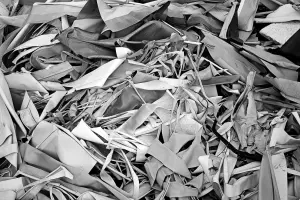
Why toss out perfectly good rubber into landfills and junkyards when it can get a second life in playgrounds, flooring, and roadways. That second chance starts by taking rubber bales and turning them into rubber granules that can combine with virgin rubber, asphalt, or resins to make new useful materials. As more uses are found for those materials, the increased demand for properly processed granules make it worth considering adding a rubber granulator to any business along the waste stream. Let’s ‌look at the process of making rubber granules and how a rubber granulator machine fits into the mix. Get Your Material Rubber granules find their way into a lot of places these days, but they start their life in a much bulkier form. Virgin rubber usually shows up as bales. You can work with the rubber you have on hand or source other forms depending on what your customers require. EPDM rubber is one of the more common forms of synthetic rubber used in home applications and is mixed with other rubber granules on site. Part of its value — and what can allow you to bring up your rubber granules price — is that it comes in a lot of fade-proof colors. This makes it more appealing for use in swimming pools or garden mulch than black. Colors can be bright orange and yellow or subtle gray and beige. While most recycled rubber comes from car tires, which produce black granules at a lower cost than the synthetic version, rubber window seals and linings can find their way into a granulator since they start life as synthetic rubber. All produce a durable product that can be stronger than natural rubber. Used rubber can be covered in filth, so removing dust and other contaminants along the way is important for getting a high-quality finished granulate. Grind It Down Turning your rubber bales to rubber granules involves pulverizing and cutting the source rubber down, which is where the granulator comes into play. These machines take the bulk material and output different sizes and consistencies for particular uses. Mulch for gardens works well as bigger strips, while flooring material needs finer granules. After the rubber material is fed into the unit via conveyor or manually, the machine motor turns the rotation knives, which cut the rubber until it’s small enough to fall through the screen net. The machine keeps recirculating the material until it is cut and cleaned to your specs. Our VULCANATOR® has the unique ability to reduce whole 75 lb. bales of synthetic or natural rubber into small particles. These low friction machine designs also keep the heat levels down and avoid having to add a cooling step to the process. Once the granules are small enough, they fall through the screen and collect in an outlet hopper. The final product has a rough texture and consistent cut look. In addition to rubber, the VULCANATOR® can handle vinyl and plastic, new and recycled parts and more. Granule quality is graded by contamination and size consistency, which ‌determines pricing. High-quality granules have the least amount of fiber and metal contamination and the greatest consistency in size. Sizing the Granules Granulators use screen nets to size the granules, and these are changed out depending on what you need for each batch. Size is often listed in millimeters, the most common being 1mm-6mm. In the US, size requirements are usually listed by mesh net size, where the higher the number, the finer the granules. Finer size crumb falls in the 40 to 200 mesh range. The number refers to the number of holes per inch in the screen net. Cutting your rubber down to finer sizes creates a premium product used where a more solid look is needed. Larger granules provide good safety protection in playgrounds, but might be less aesthetically pleasing around a pool as the surface is obviously made of rubber chunks. Looking to Make Rubber Granules? Rubber bales can take up a lot of space in landfills and junkyards, providing little value after their initial purpose. Equipment to turn them into rubber granules opened up additional revenue streams while reducing the amount of waste piling up. The market for rubber granules for sale continues to grow as new uses are found for them in everything from your kitchen floor to stadium turf. Interested in turning your rubber or heavy plastics into money and joining the ranks of rubber granule suppliers? Contact us to discuss our VULCANATOR® rubber granulator now.

Read More
shredded paper waste
Blog·February 4, 2022

The Complete Guide to Buying Solid Waste Shredders: Everything to Know

Solid waste shredders are an important part of many businesses in various sectors today. They have been serving manufacturers, waste companies, and recyclers for years. Buying solid waste shredders is a major purchase for companies and should be done with careful consideration. There are some key components you want to keep in mind when looking for shredders. Read on to find everything you need to know when looking for the right solid waste shredder for your company. Establish Why You’re Buying Solid Waste Shredders Solid waste shredders are powerful and can shred all kinds of things, such as bulky plastic or wet materials. Shredders also work great for cannabis mills, dairy farms, and cement factories. Many shredders can break down multiple materials like plastic, pallets, and tires, but those shredders may not work for wet materials. If you use a shredder for something it isn't designed for, it could clog and slow down your process. Thinking through the possibility of contaminants is also important. No matter how careful you are, contaminants will inevitably work their way into the shredder. You want to look for a shredder that can handle those contaminants. Inputs and Outputs Different shredders produce different types of output. If you plan to reuse the shredded material, you will want to know the output size from the shredder. This helps you guarantee the output size will be consistent. Some shredders will have options to add dischargers that can put the waste directly into a container. You can also get shredders that have conveyors that feed the shredder directly so the system is completely automated. Know Your Shredding Volume When looking for solid waste shredder features, you want to know how much volume you will be shredding. Your volume needs will help guide you on the type of shredder you should purchase. Shredding capacity is seen by the pounds per hour rating for any specific shredder. You want to know your expected capacity needs and then allow for some extra. This helps you find a machine that won't get overloaded. For example, shredding metal is a common need for many large industries. They will look for twin-shaft high torque shredders that can transform their large metal pieces into smaller pieces for transport. Educate Yourself on Routine Maintenance Your solid waste shredding system will need periodic maintenance. Lubrication and oil changes for the engine and parts are vital for long-lasting success. Grinding blade care is also important for longevity. Wanting to do the servicing yourself means finding out how easy potential shredders are to service. Look for things such as access panels and easy instructions to do it yourself. If your machine is more complex and needs professionals to service it, find out from your solid waste shredder provider about regular maintenance. They should be able to tell you what is involved, and the expected costs for servicing. Many shredders ultimately will not need professional service. If you’re a fan of self-service and self-maintenance, ‌bring that up when shopping for a shredder. The Quality of Construction One overlooked aspect of maintenance is to look at the quality of construction of a potential shredder. Shredders that are precision manufactured may cost a little more upfront, but will often turn out less expensive in the long run. Look for shredders that offer heavy construction parts for long-lasting life. Low vibration and quiet operation are signs of quality construction and should be something you are looking for in a shredder. Set Up Location and Storage Options The size of the shredder you need is based on what material you are shredding and how much you will be shredding. You will also need to consider the location you are planning to set the shredder. Shredders need a good amount of space around them and they can't be crammed in a corner. Think through where you are planning to put the shredder and how much space is available. Another thing to think about is the atmosphere around the shredder. Will it be in a climate-controlled room or will it be outside under an awning? These factors will need to be considered when picking a shredder. A Quality Shredder for Your Company Buying solid waste shredders is not like buying a paper shredder for your office. It is a major investment, and you will want to take the time to research and find the right shredder for your company. Your goal is to find a shredder that will meet your needs for the long term. You don't want to settle for something that ends up having to be replaced in just a few years. Investing the time to find the perfect shredder solution is worth it. Franklin Miller has been a size-reduction technology leader for over 100 years. We specialize in helping companies find the perfect system for their needs, and even have a test lab to demonstrate our solutions for you. Contact us today about your shredder needs and let us help you find the perfect solution for your company

Read More
cannabis plants
Blog·January 24, 2022

A Business Owner’s Guide to Cannabis Waste Solutions
Did you know that US sales of cannabis increased by 67% in 2022? However, with higher demand comes higher waste. If you are a small business owner in the cannabis industry, you may wonder what you can do with your cannabis waste. While the regulations are strict, we luckily still have several options. In this article, we will discuss everything you need to know about cannabis waste solutions. Ready to dive in? Keep reading! What Is Cannabis Waste? The Department of Cannabis Control defines cannabis waste as something that contains or has come in contact with cannabis at any given time. This can mean during the farming, production, drying, or curing process. Even the packaging that comes in contact with cannabis is considered "cannabis waste" and needs the same treatment as the leftover aspects of the plant itself. This can include flowers that are not up to par, expired products, trimmings, and unusable parts, such as stalks. There are two different categories of cannabis waste; hazardous and non-hazardous, each with a different method of waste disposal. Countries and states both determine cannabis waste differently. Those who declare that cannabis waste is hazardous may require the destruction of cannabis before it is disposed of according to the regulations of the local government. The same requirements for medical disposal are, in this case, applied to cannabis as well. However, if the regulations state that they are non-hazardous, cannabis may be mixed in with other non-hazardous organic materials such as food. In fact, regulations for many states require cannabis to be mixed with non-cannabis material in order to be disposed of. Wood chips are a good example of something mixed with cannabis for proper disposal. The Best Waste Disposal Solutions for Cannabis We've discussed eco-friendly options that are good for both the environment, but getting from A to B is a whole different story. Regardless of the regulations in your country or state, it is essential that cannabis waste is unrecognizable after processing. The dangers of a minor getting their hands on cannabis is too high. There are two solutions we can explore when dealing with cannabis waste; waste shredders and grinders. Waste Shredders Waste shredders are most commonly used to shred the stems of the cannabis plant. The stems are often the most difficult to process, as they are prone to get stuck and clog the machine if used incorrectly. However, shredding it before mixing it with another product is essential in order to dispose of the product. Shredding the stem to an inch or even less can help before mixing it with other products such as wood, for example, in order to make the cannabis unusable and unrecognizable. Waste Grinders A favorite for disposing of cannabis is a waste grinder. This machine can slowly grind the product into smaller, shredded pieces. Grinders are ideal for difficult-to-process materials, such as fibrous and wet materials. It is important to remember that the soil, root, and any other growing media are included in the waste disposal. Any substance that comes in contact with cannabis is considered waste once its lifecycle is up. Need More Waste Solutions? There are many regulations for the production and sale of cannabis. It is no surprise that these strict regulations include the disposal of cannabis products as well. There is a lot of waste in the production of cannabis, from stem to leaf, to the empty packaging of expired products. Are you looking for a solution to your waste management? Give us a call today; our associates are experts in the field of waste solutions and are happy to assist with any of your needs, including the shredding of cannabis.

Read More
aerial view wastewater plant silos
Blog·July 7, 2021

Top 7 Benefits of Grinders for Wastewater Treatment
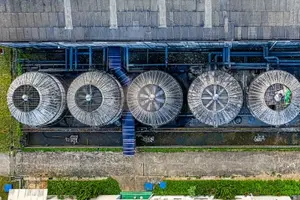
When we think of wastewater treatment, our first thoughts might be the need to get rid of chemicals and toxic pollutants identified by the EPA. But long before the water gets to that point, a lot of large debris has to be removed or cut down to size. Grinders go after those difficult large solids to cut them down to size and make them easier to remove from the water stream. The benefits of grinders are many, including saving time, water, and manpower. Let’s look at a few of the reasons to use grinders in wastewater treatment. 1. Disposal Alternative The early stage of wastewater treatment typically involves screening out large debris. However, if you only use screens, you have to have a plan for getting it out of the screen and disposing of it. It’s not always practical or cost-efficient to do this. Disposal at that stage adds an extra step and requires a location for putting debris. Using grinders to cut the debris into smaller pieces allows those pieces to continue through the treatment process and be dealt with at a later stage. This can be more efficient as there’s just one step for disposal rather than two. 2. Cut Through Anything You’d be amazed what ends up floating into a treatment plant - rags, flushable wipes, paper, and other stringy materials just for a start. Then there are the ubiquitous plastic bags, sticks, and bottles that wash through as well, along with food particles and wood. Even entire shirts, blankets, and uniforms end up downstream of correctional facilities and other institutions. A grinder uses several tons of cutting force at its peak levels to slash through difficult liquid-solid combinations to make the debris easier to deal with and ensure things keep flowing. 3. Reduce Pump Clogging Pump clogs slow everything down. The treatment line might have to stop to take time to clear them, and it often has to be done by hand. The smaller the pieces in the wastewater stream, the less likely it is they will clog pumps. They can just flow through with the water stream to be collected later in the sludge. Fewer clogs mean less downtime clearing them and less risk to workers having to do the clearing manually. 4. Improve Sludge Processing Part of the secondary stage of treatment is dealing with the sludge removed from the wastewater. If you chopped debris to let it travel downstream, this is where it gets removed by letting it settle into the sludge. However, that sludge still has to be removed from the system, which typically means going through a pump. A grinder can pre-condition sludge to cut solids down even further. This keeps them from clogging or damaging sludge pumps, centrifuges, or dewatering systems. The sludge is often added to composting woodpiles, which farmers then use to restore nitrogen and phosphorus levels in the soil rather than using chemical fertilizer. 5. Protect Your Downstream Equipment Whether you use a grinder for open channels or inline applications, a key benefit is to protect all your downstream equipment. Effective cutting into small pieces keeps debris from damaging equipment not meant to handle large solids. Smaller pieces can flow through filters and pumps unimpeded until you’re ready to remove them from the flow. They are less likely to cause abrasion or clogging. The big goal is to protect your pumps, including rotary lobe and progressive cavity types. 6. Reduce Manual Intervention by Workers Any factory, plant, or treatment facility wants to keep work as safe as possible for its employees. By using a grinder to cut up debris, you reduce the need for manual jobs and intervention. Not to mention you avoid the need for messy jobs and hands-on waste disposal. For example, there is usually less need for raking to remove debris caught in screens during the preliminary treatment stage. Your people also shouldn’t need to intervene to clear clogs down the line or move debris away from a filter to allow the flow to continue. Counter-rotating shafts can keep the cutters clean, so they don’t have to be cleared out by hand either. This is not only safer, but it saves time and causes less disruption to the process as well. 7. Faster BOD Removal In the later stages of wastewater treatment, steps are taken to degrade and break down any suspended solids and organic matter left in the liquid. How much can remain is dictated by the Clean Water Act at the federal level, along with state and local regulations. Sometimes this involves using chemicals and sometimes aeration. But one common way is using bacteria to eat up the remaining pollutants. Smaller pieces can be degraded faster as the bacteria has more surface area to work on, which speeds up the treatment process. Need More on the Benefits of Grinders? If you have to deal with disposing of wastewater, a grinder can be a great addition to the early stages of the process. Once you understand how grinders work, it’s easier to see the various benefits they offer, from cutting down on manpower costs and risks to reducing downtime due to clogging. If you want to learn more about the benefits of grinders, contact us for more information on our reliable grinder equipment and other wastewater treatment solutions.

Read More
stack of flushable wipes
Blog·June 10, 2021

The Problem With Flushable Wipes

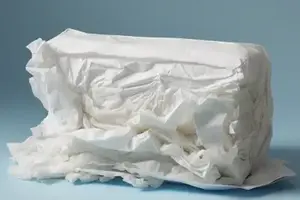
Though disposable wipes have long been popular amongst parents, their use exploded at the beginning of the COVID-19 pandemic—sales of wipes surged by 75 percent over the past year to January 2021. What attracts people to wet wipes is their portability and convenience. We get it. They’re a quick solution for messy-faced-kid clean-ups that spill on aisle ten or the muddy hands you got while gardening. Read on to learn why flushable wipes are the bane of governments across the globe and what you can do to solve the problem. Why Do People Use Flushable Wipes? People use flushable wipes to: Remove cosmetics and face-washing Clean everything from kitchen counters to toilets Replace toilet paper Help with diaper changes Disinfect hands in public places And once you’re done with a wipe, you can just throw them in the trash or down the toilet, right? Problem solved! Or is it? City administrations all over America are now issuing alerts to advise citizens to keep these wipes away from the bathroom. Why Do They Pose Such a Problem? Unfortunately, there isn’t just a simple, single problem with wet wipes to solve. These seemingly innocuous pieces of damp tissues create numerous issues for both plumbing and the environment. They Clog Your Pipes Manufacturers design toilet paper to break down as soon as it hits the water. However, don’t be deceived into thinking that the “flushable” in flushable wipes means they’ll perform the same way. Despite the label on the packaging stating some wipes are flushable, most plumbers will tell you this is definitely not the case. In fact, some research suggests that so-called flushable wipes become even less “dispersible” than they already are the longer they’re stored. The more wipes you drop into your toilet, the more likely your pipes, septic tank, or even the city sewer system will become blocked. And no one wants to deal with sewage backing up into their home or shell out tons of money to get the plumber in. They’re Bad For the Environment The environmental effects of wet wipes are related to their production and disposal. Like other fiber-based products, the manufacturing process requires a lot of water. And, of course, there’s the same use of non-renewable resources like oil that comes with any plastic product. Disposable wipes are also among the other PPE products like masks and gloves ending up on beaches and in the ocean. Once in our waterways, they wreak havoc on marine life. Ocean creatures swallow them and they clog coral reefs. And if they end up in a landfill, they might stay there, intact, for as long as a century. They Might Cause Health Problems Flushable wipes are soaked in solutions designed to help them clean or disinfect your skin. Though you can get some wipes claiming to be hypo-allergenic, many others contain controversial chemicals such as parabens, preservatives like methylchloroisothiazolinone and methylisothiazolinone, and a variety of fragrances. These compounds may cause allergic reactions in some people, especially after repeated exposure. Always carefully check the ingredient list on the package of wipes and stop using them if you react. Wipes can also become contaminated with all manner of viruses and bacteria: E. Coli, hepatitis, cholera, just to name a few. By flushing them into the sewage system, you’re also inadvertently contributing to the contamination of coastal waterways. How to Safely Dispose of Wet Wipes So if a flushable wipe isn’t actually supposed to be flushed down the toilet, where do you put it? Thankfully, there are a few solutions to help you deal with this municipal menace. Throw Them in the Trash The EPA advises dropping wipes into a trash can, just as you would with cleaning items, paper towels, and rags. To ensure your garbage container stays hygienic, use a liner bag and clean it regularly with disinfectant. Consider keeping a bin in the bathroom if members of your household or your organization’s staff keep flushing wipes. Add a sign to remind people to trash them and not flush them. If you’re concerned that the wipes are contaminated, bag them up securely and take them to your local pharmacy or hospital, where they can be safely disposed of. Of course, this doesn’t solve the problem of these non-biodegradable wipes filling up the landfills or ending up in the belly of a turtle. But at least your plumbing is safe! Grind Them Up Wipes grinders are an affordable, efficient solution for commercial businesses, hospitals, or factories that go through large amounts of disposable or disinfectant wipes. They help ensure companies can keep wipes out of waterways and keep city sewers free of fatbergs, even if they have a lot to dispose of. By grinding wipes instead of just throwing them into the trash whole, you reduce the load on landfills–meaning lower, more compact volumes of trash. These industrial grinders are designed with treatment works in mind to handle even the most demanding waste materials. And if you have specific grinding needs, such as huge volumes or safety concerns, most manufacturers can provide custom solutions and configurations. Just ask! Don’t Buy Them in the First Place Another solution to your wipes problem is to simply, well, avoid purchasing them. There are a ton of alternatives for both home and commercial settings. (Though, of course, there are some industries where their use is unavoidable, such as medical facilities.) Some disposable wipe replacements include: Eco-friendly materials like bamboo Reusable fabric cloths and rounds Compostable and biodegradable wipes Toilet bidets and “family cloth” If you’re worried about staying sanitized, especially in the post-pandemic era, wash your hands regularly at a sink with soap and water. Research proves it protects you from common bacterial and viral disease transmission. Solutions at Your Fingertips If you’re ready to give up flushable wipes for good, municipal authorities and eco-warriors alike will thank you. Stop throwing your wipes in the toilet and look for better solutions to the landfill issue, like grinding large volumes of wipe waste into more manageable volumes. Hunt down alternatives like compostable wipes or try handwashing with soap and water. If you’re a large business looking for trash solutions, reach out to the team at Franklin Miller today. They have over 100 years of experience with waste size-reduction technology: from grinders, shredders, and crushers to wastewater treatment systems.

Read More
wastewater flowing in forest
Blog·March 10, 2021

What Is a Wastewater Bar Screen and Why Is It Important?

America has 14,778 wastewater treatment plants and they all work to purify the water that plants, animals, and humans drink every day. One of the most crucial pieces of equipment for these facilities is a wastewater bar screen. It's the first step in the process because it filters out large solids. Without it, hazardous materials would remain in public drinking water and clog up the rest of the plant’s equipment. Read our guide to learn about a bar screen’s place in the wastewater treatment process and how to find the best one for your needs. What Is Wastewater Treatment? Wastewater contains contaminants such as feces, urine, sticks, and debris. 35% of it contains solid objects. Wastewater treatment helps clean this water. It's also used to return it to the ecosystem without harming the environment. The entire process takes about 24 to 36 hours from start to finish. The stages of wastewater treatment include pre-treatment, primary treatment, secondary treatment, disinfection, and effluent release. Pre-Treatment Pre-treatment begins when wastewater arrives at a treatment plant. It flows through a bar screen, and any large solids get sent to landfills. The water then moves to a grit chamber that lowers its velocity and removes smaller particles. Primary Treatment Primary treatment begins when sediment settles in the grim chambers. The water moves to a primary clarifier. Heavier solids settle at the bottom and become sludge, while lighter material floats to the top and becomes scum. This makes the water effluent, meaning that it's slightly treated and free of solids and organic materials. Secondary Treatment Secondary treatment begins when the effluent water flows into an aeration basin. It artificially adds air in a process known as aerobic digestion that removes any leftover solids and organic matter. The water then goes to a secondary clarifier to remove the sludge. After that, it returns to the aeration basin. Disinfection When disinfection begins, 85% of organic matter has already been removed from the water. Water treatment plants use chlorine, ozone, or UV disinfection to remove the rest. Chlorine disinfection puts chemicals into the water and then removes them before discharging them into a stream or lake. Ozone disinfection pumps an electrical current through the effluent water to separate oxygen molecules. It removes 99.99% of bacteria. UV disinfection sterilizes water using ultraviolet light to kill any remaining microorganisms. Effluent Release Effluent release is the last step in the process. It involves sending the treated wastewater back into local waterways or discharging them into another treatment plant. What is a Wastewater Bar Screen? A wastewater bar screen is a coarse screen made of vertical steel bars spaced 1-3 inches apart. It filters out large solid objects such as rags, plastic, paper, and metal from flowing water. The most basic wastewater bar screen uses nothing but vertical bars that allow water to pass through but stop larger objects. They're effective but not as efficient as other types. Objects can build up on them, preventing flow and elevating backwater levels. Many plants use a conveyor system where bars or wires pick up solids that build up on the screen and take them to a separate container. This is a type of mechanical bar screen. Manual bar screens require little maintenance, but need frequent cleaning. The process is time-intensive and dangerous because it can cause overflows or flow surges. Only old plants use them as a primary screening system. They're best utilized as a backup option or for small facilities or bypass channels. Mechanical bar screens automate removing debris. They reduce labor costs and the risk of overflows, but are more expensive to purchase and maintain. There are 4 types of mechanical bar screens; chain-drive, reciprocating rake, catenary, and continuous belt screens. Chain-drive screens use a rake that can go up or down to help keep themselves clean. Reciprocating rake or climber screens use one rake that moves to the base and pulls waste to the top where it's disposed of. They're efficient, but not the best option for heavy screening. Catenary screens have a rake that goes against the bars and travels up to deposit waste into a chamber. A continuous belt screen uses a large number of rakes to maintain cleanliness. Why Do I Need a Bar Screen for Wastewater Treatment? Emptying improperly treated water into lakes and rivers can devastate local plants and wildlife. It can also negatively affect public health. As the first step in the wastewater treatment process, the importance of a wastewater bar screen cannot be overstated. A wastewater bar screen prevents damage and wear and tear, reducing the need for maintenance for the whole system. It minimizes interference during the treatment process while also preventing clogging and contamination of waterways. How Do I Choose the Best Wastewater Bar Screen? There are several factors to consider when choosing a wastewater screen. Consider the size and volume of the material that needs to be removed. You may need larger screens to filter out heavy material. You should also consider the minimum and maximum water levels in the area. You'll need a larger screen system to filter out more water, even if it's clean. Look into the screen's maintenance requirements and reliability. For example, manual bar screens require less maintenance, but aren't as reliable because they get covered in built-up material more often. Consider the characteristics of your plant. Ensure that the screen meets your needs. You must also determine who is the best supplier in your area to purchase the wastewater bar screen from. You must do your research to find the most reliable, highly-rated company possible. Where Can I Find a Wastewater Bar Screen? Wastewater treatment provides the world with healthy drinking water by removing large contaminants and those that are too small to see. There are thousands of plants dedicated to achieving this purpose. A wastewater bar screen stops and removes large solids. It purifies the rest of the water that moves on to other purification processes. Choosing the right wastewater bar screen begins with examining your needs. If you're aware of how much water needs to be processed, what it contains, and what equipment you already have, you can choose the right type and size of screen to manage it. Franklin Miller is a trusted provider of wastewater treatment equipment. Browse our wastewater screening equipment today.

Read More
aerial view wastewater treatment plant
Blog·January 20, 2021

How Wastewater Treatment Works & Why It’s Important

Do you ever wonder what happens to the waste that you flush down your toilet or the dirty dishwater that flows down your drain? Any water that has been used and requires cleaning before being placed back into a water system is considered wastewater. Before the water can be released back into the water system, it needs wastewater treatment. Without it, the polluted water enters the water system and contaminates not only the water, leading to dying plants and wildlife, but also could end up back in the water system requiring extensive treatment before going back into your home. Stage One of Wastewater Treatment Wastewater comes from many places, including rainwater. The water contains everything from feces and urine to sticks and other debris. It’s estimated that 35 percent of wastewater is made from solid objects. The first step is the removal of the objects. The water first goes through a coarse screen that traps all the larger debris. The coarse screen has openings about 10 millimeters in length. Once the larger pieces are removed, it goes through a pumping station and into a fine screen that removes even smaller debris. All the solids are taken from the treatment plant to the landfill. The last aspect of stage one is the placement of the water in settling tanks, where any residual scum floats to the top and sludge settles on the bottom. The scum is skimmed from the top and sludge removed from the bottom. This is treated separately from the wastewater. Stage Two of Wastewater Treatment The water is free from sludge and other solids, but it’s nowhere near clean. Other contaminants must be removed. The wastewater is mixed with oxygen and bacteria designed to eliminate the other polluting materials and the oxygen helps them work faster. Once the bacteria have broken down the materials, the water once again goes to settling tanks where the sludge settles and is removed. At this point, the water is 85 to 95 percent clear of contaminants and is almost ready to place back into the water system. Final Removal of Remaining Contaminants Wastewater treatment plants use several combinations of methods to remove the remaining contaminants in the water. The most common method is to run the water through a sand filtration system. There are two main types of sand filtration systems: surface and depth filters. With surface filters, contaminants become trapped within a permeable surface, but with depth filters, contaminants are trapped inside a porous material. Sand filters filter material through direct collision, surface charge attraction, diffusion, and small force attraction. Once the water goes through the filter, it’s treated with UV light or chlorine and discharged into the water system. Treating Sludge and Scum We talked earlier about the sludge and scum taken from the settlers and processed separately. The sludge is infused with bacteria and feeds on sludge for up to 20 days. The bacteria eat the organic matter and generate carbon dioxide and methane gas. This can be used to heat the treatment plant since it’s combustible, and much of the odor of the sludge is eliminated since there is little organic matter left. The sludge goes to a large centrifuge that spins quickly to separate the liquid from the solid. The liquid goes back through the treatment process and the remaining matter is used to fertilize fields. Advanced Methods of Treatment Wastewater also includes water from industrial and agricultural sites. These have contaminates not found in residential and commercial wastewater. For these types of wastewater, they go through additional purification steps. In biological nutrient removal, the water goes through three different tanks filled with varying amounts of oxygen. Each is filled with a bacterium that thrives in those conditions. The water goes through each tank where phosphorous is removed and ammonia breaks down to nitrate and nitrogen gas. The bioreactors house the water for about nine hours before it’s moved to a settling tank, and the sludge removed from the bottom. This method gets out contaminates the standard processes cannot. Small Community Wastewater Treatment As you can guess, a large scale wastewater treatment plant is expensive to maintain. There are regular inspections, upgrades, and maintenance, cost of employees and their certification. Most small communities cannot afford such an advanced system. Instead, they use wastewater lagoons. The lagoons are large reservoirs of water anywhere from five feet to over nine feet deep. Shallows lagoons are best for primary treatment. The water enters the reservoir where it sits for about six days and the sludge settles to the bottom. The problem with shallow lagoons is they are not effective in removing most of the contaminants. Larger lagoons can hold water for six months and up to a year, allowing for more sludge to be sent to the bottom. Most of these lagoons are only emptied once a year. If there is no river or lake to send the wastewater, some communities drain it onto land. The bacteria in the soil can naturally break down and remove any contaminants in the water. Improper Water Treatment The Environmental Protection Agency is in charge of making sure water treatment plants stay within compliance. If they empty untreated or improperly treated water into lakes and rivers, then it could have a devastating effect on plants and wildlife. Many small communities have a difficult time operating and maintaining water treatment systems, but less expensive and alternative methods are developed every day. Treated Water is Safe Water Many times, the water used in wastewater treatment makes its way back into the water system. You want to make sure the water that comes through your tap is clean and refreshing. It all starts when you flush your toilet or send water down your drain. If you want to learn more about wastewater and how it's treated, then please contact our experts today.

Read More
man in orange vest and hardhat
Blog·December 1, 2020

The Best Equipment Used for Industrial Metal Shredding

Are you “shreddy” to learn about metal shredding? We'll begin with the basics. The best industrial metal shredders you’ll encounter will most likely be twin-shaft metal shredders. They are the industry standard, and are also what we specialize in. Twin-shaft shredders have a shredding mechanism that looks like two rows of giant, interlocking teeth that eviscerate anything that dares approach. However, not all twin-shaft shredders are created equal. You can differentiate between the varieties by looking at their loading mechanisms. In this article, we'll cover the top twin-shaft metal shredding options offered at Franklin Miller. Our Top Metal Shredders As mentioned, twin-shaft shredders are the most popular types of industrial shredders. These metal shredding devices load from the top and dispenses to the bottom through a funnel-like opening. They are particularly beneficial for recycling operations, because they can be placed directly above a processing conveyor belt. This means that those operating them can easily incorporate metal shredding into their day-to-day operations. Just drop in the metal and let the shredders do what they do best! With that in mind, here are our favorite varieties of metal shredders. The Taskmaster TM1600 The Taskmaster TM1600 is unique because it's small enough for both inline and in stand-alone capacities. This powerful workhorse can shred heavy solids in both gravity and liquid systems It can effectively process filters, containers, plastics, packaging, electronic components and more. Features include a high torque gear drive, mechanical shaft seals and precision ground gears. The Taskmaster TM2300 This metal shredder is slightly bigger than the 1600, and it's more well suited to a recycling plant that's trying to scale a metal processing program. The Taskmaster TM2300 packs a powerful punch for the price. It reduces high volumes of solids and can tear through sheet metal using low speed and high torque. The Taskmaster TM3000 The Taskmaster TM3000 is the first big step that many companies take into the big leagues of the shredding game. This machine features an extra-wide throat opening and heavy-duty construction to accommodate a wide range of solids and metals, reducing the volume for further processing or economical disposal. The TM3000 also features an extra-tough design that offers protection from sparks, noise, and dust. The Taskmaster TM4000 The TM4000 features heavier duty construction than the TM3000. It is built for the highest level of performance and reliability using quality components, superior design and engineering. This piece of metal shredding equipment features 7.4" heat-treated alloy hexagonal shafting for extra strength, 2" cutting blades that rotate at a low speed and devastatingly high torques and full steel plate construction for extra durability. It makes short work of pallets, electrical components, metal propellant cans, hard drives, mattresses with springs, and tires. Other Popular Shredders There are a few other popular shredders that we provide at Franklin Miller. While they may not technically be defined as “metal shredders”, they can still shred certain metal components. Taskmaster XL Pallet Shredder Pallet shredders shred wooden pallets, so why are they included in this post about metal shredding? To put it simply, pallets have nails, and nails generally damage regular wood shredders, but not the Taskmaster XL Pallet Shredder. Pallet shredders are similar metal shredders, but they work well against most woods. They're easy to operate, too. You just drop a pallet into the slightly angled hopper, and then let the shredder get to work. Good machines work without the assistance of belts or other pieces, and the pallet shredders we carry are no exception. Your shredder should be safe to use and easy to maintain. The Taskmaster TM8500 We only recommend one shredder for smaller operations, the Taskmaster TM8500. This shredder is unique because of its accessibility and versatility. These versatile units can process airport waste, biofuel, biosolids, bottles, cans, concession waste, containers, filters, food, fish waste, garments, pharmaceuticals, rags, rejects and returns, screenings, sewage, sludge and more. Metal Shredding? You Got This! These metal shredders should run you through the whole gamut of options you have available for industrial operations. The only question that remains is, which makes the most sense for your unique needs? If you’d like to get more information on any of our metal shredding devices, don't hesitate to reach out to us. We would love to talk with you!

Read More
pipe system for sludge processing
Blog·November 15, 2020

A Comprehensive Guide to Sludge Processing: Enhancing Efficiency and Sustainability with the Franklin Miller Super Shredder

Sludge processing plays a critical role in wastewater treatment plants and various industrial processes, ensuring proper handling, treatment, and disposal of sludge while minimizing environmental impact and maximizing resource recovery. This comprehensive guide delves deeper into the stages of sludge processing and highlights how the Franklin Miller Super Shredder can make the process more efficient and sustainable. Overview of Sludge Processing Sludge is a byproduct of industrial processes and wastewater treatment plants, composed of solids, liquids, and organic and inorganic materials. Proper sludge processing involves reducing volume, stabilizing organic matter, and facilitating resource recovery of final disposal. This ensures environmental protection, regulatory compliance, and the promotion of a circular economy. Sludge Processing Stages Preliminary Treatment This stage removes large solids and grit to protect downstream equipment and processes. Screening uses mesh or perforated screens to remove large solids, while grit removal typically employs aerated grit chambers, vortex grit chambers, or centrifugal separators to remove inorganic particles like sand and gravel. Thickening Thickening increases the solids content of sludge, reducing its volume. Gravity thickeners use settling tanks to separate solids from liquid, flotation thickeners use air bubbles to float solids to the surface for removal, and centrifugation employs high-speed rotation to separate solids from the liquid phase. Stabilization Stabilization reduces odor, pathogens, and putrefaction potential by breaking down organic matter in sludge. Aerobic digestion uses oxygen-consuming bacteria to decompose organic material, while anaerobic digestion relies on bacteria that thrive in oxygen-free environments to produce biogas and stabilize the sludge. Dewatering Dewatering removes excess water from sludge, further reducing its volume. Belt filter presses squeeze sludge between porous belts, centrifuges use high-speed rotation to separate water from solids, filter presses force sludge through filter plates to remove water, and drying beds use gravity and evaporation to remove water from sludge. Conditioning Conditioning enhances the dewaterability and handling characteristics of sludge. Chemical conditioning involves adding chemicals like polymers or coagulants to improve dewatering, while heat treatment subjects sludge to high temperatures to break down organic material and improve dewatering properties. Final Disposal or Resource Recovery Processed sludge can be disposed of in landfills, incinerated, or applied to land as a soil conditioner or fertilizer. Alternatively, valuable resources such as water, nutrients, and energy can be recovered from the sludge for reuse. The Role of the Franklin Miller Super Shredder in Sludge Processing The Franklin Miller Super Shredder is a powerful inline disintegrator designed to enhance sludge processing by offering several advantages: Size reduction: The Super Shredder reduces the size of solids in the sludge, resulting in a more uniform and manageable output. This facilitates downstream processes such as dewatering, thickening, and digestion. By breaking down larger solids, the Super Shredder also helps increase the efficiency of subsequent processes, as smaller particles are more easily processed. Preventing clogs and blockages: By reducing the size of solids in the sludge, the Super Shredder prevents clogs and blockages in pumps, pipes, and other downstream equipment, minimizing costly downtime and maintenance. This directly impacts overall efficiency and process stability. Enhancing digestion and biogas production: The Super Shredder's size reduction capabilities increase the surface area of solids in the sludge, making it easier for microorganisms to break down organic material during anaerobic digestion. This leads to more efficient biogas production and overall improved digestion performance. By optimizing biogas production, the Super Shredder contributes to increased energy recovery and reduced environmental impact. Features and Benefits of the Franklin Miller Super Shredder. The Super Shredder stands out from other sludge processing equipment due to its unique features: Robust construction: The Super Shredder is built with heavy-duty materials, ensuring durability and reliability in the most demanding environments. Its sturdy design allows it to withstand the rigors of sludge processing while maintaining peak performance. Low maintenance: With its innovative design, the Super Shredder requires minimal maintenance, reducing downtime and maintenance costs. This directly contributes to higher efficiency and lower operating expenses, making it an ideal choice for sludge processing facilities. Versatility: The Super Shredder can handle a wide range of sludge types and consistencies, making it a versatile solution for various industries and applications. Its adaptability ensures that it can be easily integrated into existing sludge processing systems, streamlining operations and improving overall efficiency. Conclusion: Efficient sludge processing is crucial for environmental protection, regulatory compliance, and resource recovery. Understanding the stages of sludge processing and investing in advanced equipment like the Franklin Miller Super Shredder can significantly enhance efficiency and sustainability. As the demand for effective sludge management continues to grow, adopting cutting-edge technology will help businesses stay ahead of the competition and contribute to a more sustainable future.

Read More
commercial crusher mechanics three parts
Blog·November 15, 2020

Top 5 Commercial Crushers That Help Manage Waste Production

Commercial crushers and lump breakers use impact and force to reduce solids, lumps and chunks in size. At Franklin Miller, our DELUMPER® brand machines are used to process wet, sticky, dry, hard or soft substances. They tear through minerals, chemicals, lumps, agglomerates, ore, filter cake, fertilizers, ash, sugar, food, plastics and more. If you are looking for the best commercial crushers on the market, you should inspect the five processors highlighted below. 1. Precision Crushers: DELUMPER® L Series Franklin Miller designed the DELUMPER® series of crushing machines to break down stuck-together input material into smooth and uniform outputs. This process is suitable for a wide range of applications and works on both wet and dry input materials. The DELUMPER L series crushers reduce products to a desired output size with a positive, once through, chopping action. They effectively reduce lumps, crush minerals, improve product consistency, facilitate mixing, drying and conveying, all while keeping process lines running smoothly. An important feature of the L series commercial crusher is that they have cutting teeth that rotate on a smooth drum, and each one is individually replaceable. 2. Powerful & Versatile Crushers: DELUMPER® LP Series Our DELUMPER® LP crushers reduce hard or soft, heat-sensitive, sticky or wet agglomerates and lumps at high volume. This machine can handle wet, sticky, dry, hard or soft substances. It is ideal for sticky solids because its long teeth clear the slots as it runs, which ensures that sticky inputs don't clog the tool and keeps production up and running. It also easily tears through chemicals, lumps, agglomerates, ore, filter cake, ash, sugar, food, plastics and more. Similar to the L series, the LP features individual, replaceable teeth. 3. Ultra Sanitary Crushers: DELUMPER® S4 If you’re looking for the ultimate in sanitation, the DELUMPER® S4 is the right commercial crusher for your needs. Highlights include precision operation, easy interior access, clean-in-place capability, quick changeover of cutting elements and a meticulously polished finish. Its convenient side door provides fast and easy access to the interior of the cutting chamber. This feature allows for quick cleaning and maintenance, allowing users to changeover from one product to another without the risk of cross-contamination. 4. Powerful Multi-Shaft Crushers: DELUMPER® Multi-Shaft The largest-scale production lines need the biggest lump breakers available, and the Franklin Miller DELUMPER® Multi-Shaft LP is the ideal commercial crusher for those enormous jobs. For even bigger jobs, the Ultra-Heavy-Duty (LP-HD) version is an option, too. These large crushers come in parallel shaft models of two and three, respectively. Whether input solids are dry, caked, sticky, or wet, the Multi Shaft LP model splits them up into desired sizes. 5. Inline Processing: Pipeline DELUMPER® Franklin Miller's DELUMPER® series includes an in-line lump breaker, the Pipeline DELUMPER®. The device is compact and easy to install within an enclosed pipe system. Clogs and blockages from thick sludges and solid chunks within a stream are no threat to the Pipeline DELUMPER®. This powerful crusher handles solids the full size of the pipe. Using one lowers the chances of time-consuming and expensive plumbing repairs like snaking blockages or, worse, cutting into the pipe to remove blockages. The DELUMPER® itself is also easy to maintain. Its seal system is within a cartridge that cuts down on the need for complicated maintenance. The unit comes with a replaceable liner, so you can refresh a Pipeline DELUMPER® many times before replacing it. While homogenizing waste liquids and sludges are typical uses for the Pipeline DELUMPER®, a company could also integrate one into its production process. Meeting Your Needs We have extensive knowledge and experience meeting all types of processing needs, and as such, we offer many add-ons and custom options. To go with our lump breakers and commercial crushers, we offer conveyors, feeders, bag stations, unloaders and more. You can even drop by our test facility to find the right solution best suited for your needs. To get more information, contact us today.

Read More

Technical Resources & White Papers

Access engineering guides, technical specifications, and industry white papers to support your project planning.

Engineering Excellence Since 1918

Ready to Solve Your Toughest Processing Challenges?

Our team of engineers is ready to help you find the right equipment for your application.