News & Insights

Latest News

Product updates, industry insights, case studies, and company news from Franklin Miller.

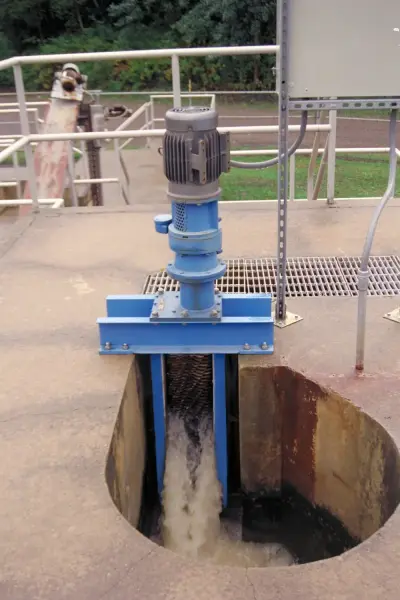
in-ground wastewater bar screen
Latest News·March 1, 2021

What Is a Wastewater Bar Screen?

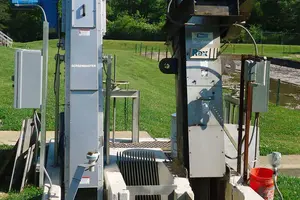
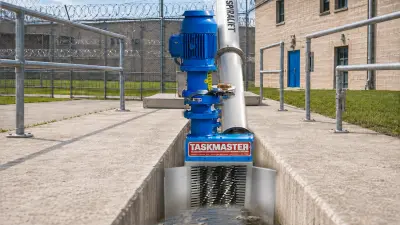
‍Wastewater treatment involves many comprehensive steps to remove debris, grits, grease, and other pollutants to produce clean water. It involves several screenings, biological degradation, the addition of chemicals, disinfection, and much more. The first step, though, is the removal of the largest objects in wastewater. For this purpose, we need bar screens. What is a wastewater bar screen and how does it work? Keep on reading to learn more. Wastewater Bar Screen A bar screen is a filter that removes big solid objects from the wastewater. It’s a type of coarse screen that takes out rags, plastics, papers, metals, etc. from any flowing water. As the name implies, it usually consists of vertical steel bars spaced 1 to 3 inches apart. It’s usually the first step in a wastewater system. What follows are other screens and treatments to remove other pollutants. By removing the large solids, we can prevent damage and unnecessary wear and tear. This reduces maintenance needs and potential issues for the whole system. The removal of large solids also minimizes interferences in the whole treatment process. It prevents clogging, for instance, and it prevents contamination of the waterways. How It Works The simplest bar screens only have vertical bars that let water pass through while stopping big objects. It’s a basic system that does the job, although it’s not as efficient. The objects can build up in the screen, which can stop the flow of water and elevate the backwater levels. Today, plants and facilities typically use a conveyor system. In this type, bars or wires pick up the solids trapped in the screen and then carry them somewhere else. The objects don’t accumulate on the screen because the filters move through and out of the water. This is a type of mechanical bar screen, which we’ll discuss later. This method keeps the flow of water steady as there’s a lower risk of clogging. Without this mechanism, the bar screens can get clogged within minutes. In cases of high volumes of coarse matter or high-speed water flow, this can happen a lot. The collected objects get deposited in another container of a given capacity. This would depend on a facility’s acceptable rate of disposal procedures. Other systems dump the waste into a compactor or conveyor. Manual Wastewater Bar Screen vs Mechanical Bar Screen For a smooth and continuous operation, it’s important to prevent clogging. The flow of water must remain steady at all times, which is why we have different types of bar screens today. They differ on the cleaning system. Manual Screening System Manual bar screens need frequent raking to remove the accumulated waste. As you would expect, this method is labor-extensive. As such, only older plants have manual screens as their primary screening system. It’s also useful in smaller facilities and bypass channels. The size of the openings range from 1 inch to 2 inches (30 mm to 50 mm). The bars incline at 30 to 45 degrees, which facilitates better cleaning. These types of bar screens have a much larger area submerged in water. This allows for less frequent rakings, but it’s still time-consuming. They shouldn’t be larger than 3 meters, though, for convenient raking. The cleaning process can be dangerous, as well, and the time it takes to clean might cause an overflow. While the mat is out for cleaning, flow surges may also occur. The use of manual bar screens is declining in favor of automated processes, even in smaller plants. However, this system is still surviving as it can serve as a back-up system, as recommended by EPA. It’s a safety measure that new plants practice in case the primary screening device is out of service. A small advantage is that the equipment requires little maintenance at all. Small plants with only a few screenings can also make manual bar screens work for them. Mechanical Bar Screen Mechanical bar screens are the opposite. They use an automated cleaning process to keep the screens free from debris. There are few concerns over overflowing backwater because the debris won't accumulate. They usually have a screening compactor nearby to convey the waste to a disposal area. Aside from the ease of cleaning, mechanical screens also improve the flow conditions. This system is not as labor-extensive, so it reduces labor costs. However, it has higher initial costs and it’s much more expensive to maintain. Mechanically-cleaned bar screens have smaller opening sizes of 0.25 to 1.5 inches (6 mm to 36 mm). The bars can be steeper at 0 to 30 degrees as employees don’t have to rake the debris. New facilities almost always have mechanical screen cleaning systems as their primary device. They have more advantages than disadvantages. For this reason, manual bar screens are disappearing from industrial settings. They have four principal types: chain-driven screens, reciprocating rake, catenary screen, and continuous belt screen. Chain-driven screens use screens for cleaning. The rake can go up or down, depending on if the flow of water is from upstream or downstream. In the reciprocating rake system (or climber screens), there is only one rake. The rake moves to the base and pulls the waste to the top, where they get disposed of. As this type only has one rake, it can have limitations in heavy screening applications. A catenary screen has a rake that’s positioned against the bars. The rakes travel upwards to deposit the waste in a chamber. Then, we have the continuous belt screen. It’s a continuous screen with a large number of rakes. Choose the Right Bar Screens As the preliminary or first step in the wastewater treatment process, bar screens serve a crucial role. The other equipment depends on them to do their job well. As such, you need the right wastewater bar screen for your facility. The volume of water and waste are only some of the factors you have to consider. Contact us today and let us help you decide.

Read More
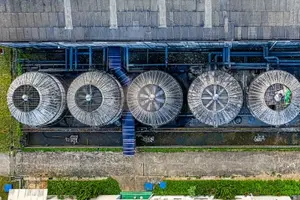
aerial view wastewater treatment plant
Blog·January 20, 2021

How Wastewater Treatment Works & Why It’s Important

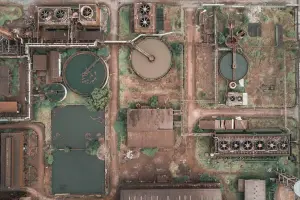
Do you ever wonder what happens to the waste that you flush down your toilet or the dirty dishwater that flows down your drain? Any water that has been used and requires cleaning before being placed back into a water system is considered wastewater. Before the water can be released back into the water system, it needs wastewater treatment. Without it, the polluted water enters the water system and contaminates not only the water, leading to dying plants and wildlife, but also could end up back in the water system requiring extensive treatment before going back into your home. Stage One of Wastewater Treatment Wastewater comes from many places, including rainwater. The water contains everything from feces and urine to sticks and other debris. It’s estimated that 35 percent of wastewater is made from solid objects. The first step is the removal of the objects. The water first goes through a coarse screen that traps all the larger debris. The coarse screen has openings about 10 millimeters in length. Once the larger pieces are removed, it goes through a pumping station and into a fine screen that removes even smaller debris. All the solids are taken from the treatment plant to the landfill. The last aspect of stage one is the placement of the water in settling tanks, where any residual scum floats to the top and sludge settles on the bottom. The scum is skimmed from the top and sludge removed from the bottom. This is treated separately from the wastewater. Stage Two of Wastewater Treatment The water is free from sludge and other solids, but it’s nowhere near clean. Other contaminants must be removed. The wastewater is mixed with oxygen and bacteria designed to eliminate the other polluting materials and the oxygen helps them work faster. Once the bacteria have broken down the materials, the water once again goes to settling tanks where the sludge settles and is removed. At this point, the water is 85 to 95 percent clear of contaminants and is almost ready to place back into the water system. Final Removal of Remaining Contaminants Wastewater treatment plants use several combinations of methods to remove the remaining contaminants in the water. The most common method is to run the water through a sand filtration system. There are two main types of sand filtration systems: surface and depth filters. With surface filters, contaminants become trapped within a permeable surface, but with depth filters, contaminants are trapped inside a porous material. Sand filters filter material through direct collision, surface charge attraction, diffusion, and small force attraction. Once the water goes through the filter, it’s treated with UV light or chlorine and discharged into the water system. Treating Sludge and Scum We talked earlier about the sludge and scum taken from the settlers and processed separately. The sludge is infused with bacteria and feeds on sludge for up to 20 days. The bacteria eat the organic matter and generate carbon dioxide and methane gas. This can be used to heat the treatment plant since it’s combustible, and much of the odor of the sludge is eliminated since there is little organic matter left. The sludge goes to a large centrifuge that spins quickly to separate the liquid from the solid. The liquid goes back through the treatment process and the remaining matter is used to fertilize fields. Advanced Methods of Treatment Wastewater also includes water from industrial and agricultural sites. These have contaminates not found in residential and commercial wastewater. For these types of wastewater, they go through additional purification steps. In biological nutrient removal, the water goes through three different tanks filled with varying amounts of oxygen. Each is filled with a bacterium that thrives in those conditions. The water goes through each tank where phosphorous is removed and ammonia breaks down to nitrate and nitrogen gas. The bioreactors house the water for about nine hours before it’s moved to a settling tank, and the sludge removed from the bottom. This method gets out contaminates the standard processes cannot. Small Community Wastewater Treatment As you can guess, a large scale wastewater treatment plant is expensive to maintain. There are regular inspections, upgrades, and maintenance, cost of employees and their certification. Most small communities cannot afford such an advanced system. Instead, they use wastewater lagoons. The lagoons are large reservoirs of water anywhere from five feet to over nine feet deep. Shallows lagoons are best for primary treatment. The water enters the reservoir where it sits for about six days and the sludge settles to the bottom. The problem with shallow lagoons is they are not effective in removing most of the contaminants. Larger lagoons can hold water for six months and up to a year, allowing for more sludge to be sent to the bottom. Most of these lagoons are only emptied once a year. If there is no river or lake to send the wastewater, some communities drain it onto land. The bacteria in the soil can naturally break down and remove any contaminants in the water. Improper Water Treatment The Environmental Protection Agency is in charge of making sure water treatment plants stay within compliance. If they empty untreated or improperly treated water into lakes and rivers, then it could have a devastating effect on plants and wildlife. Many small communities have a difficult time operating and maintaining water treatment systems, but less expensive and alternative methods are developed every day. Treated Water is Safe Water Many times, the water used in wastewater treatment makes its way back into the water system. You want to make sure the water that comes through your tap is clean and refreshing. It all starts when you flush your toilet or send water down your drain. If you want to learn more about wastewater and how it's treated, then please contact our experts today.

Read More
precision knife mill internal parts
Latest News·December 10, 2020

The DEFINER® DF2000 Precision Knife Cutter Produces the Utmost in Product Quality

The DEFINER® DF2000 is a precision knife mill designed for reliability and ease of use. This lab ready processor features all stainless steel construction in contact with product. Its precision, tool steel knives cut materials to desired output size without overgrind or excessive heat build-up. As a result, this unit produces the utmost in product quality and optimizes yield. Designed with ease of maintenance in mind, the DEFINER knife mill can be quickly cleaned or disassembled, saving you valuable production time. The DEFINER® knife mill can effectively reduce spices, herbs, pharmaceuticals, lumps and more. The unit’s unique rotor design with replaceable rotary knife elements shears materials such as stringy solids, making it ideal for processing hemp. The array of optional cutter elements and screen sizes allow the unit to be customized to condition, mill, and deagglomerate. The DEFINER® knife mill features a stainless steel hopper and protective flaps to keep the work environments clean. Rotational speed, particle size and throughput are easily managed with the unit’s variable speed controller. The streamlined, direct drive provides quiet and smooth operation and eliminates maintenance of belts. Optional add-ons include casters with lockable wheels and a pneumatic discharge system.

Read More
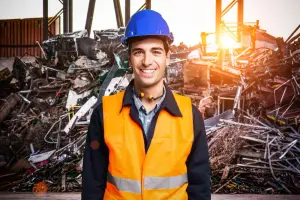
man in orange vest and hardhat
Blog·December 1, 2020

The Best Equipment Used for Industrial Metal Shredding

Are you “shreddy” to learn about metal shredding? We'll begin with the basics. The best industrial metal shredders you’ll encounter will most likely be twin-shaft metal shredders. They are the industry standard, and are also what we specialize in. Twin-shaft shredders have a shredding mechanism that looks like two rows of giant, interlocking teeth that eviscerate anything that dares approach. However, not all twin-shaft shredders are created equal. You can differentiate between the varieties by looking at their loading mechanisms. In this article, we'll cover the top twin-shaft metal shredding options offered at Franklin Miller. Our Top Metal Shredders As mentioned, twin-shaft shredders are the most popular types of industrial shredders. These metal shredding devices load from the top and dispenses to the bottom through a funnel-like opening. They are particularly beneficial for recycling operations, because they can be placed directly above a processing conveyor belt. This means that those operating them can easily incorporate metal shredding into their day-to-day operations. Just drop in the metal and let the shredders do what they do best! With that in mind, here are our favorite varieties of metal shredders. The Taskmaster TM1600 The Taskmaster TM1600 is unique because it's small enough for both inline and in stand-alone capacities. This powerful workhorse can shred heavy solids in both gravity and liquid systems It can effectively process filters, containers, plastics, packaging, electronic components and more. Features include a high torque gear drive, mechanical shaft seals and precision ground gears. The Taskmaster TM2300 This metal shredder is slightly bigger than the 1600, and it's more well suited to a recycling plant that's trying to scale a metal processing program. The Taskmaster TM2300 packs a powerful punch for the price. It reduces high volumes of solids and can tear through sheet metal using low speed and high torque. The Taskmaster TM3000 The Taskmaster TM3000 is the first big step that many companies take into the big leagues of the shredding game. This machine features an extra-wide throat opening and heavy-duty construction to accommodate a wide range of solids and metals, reducing the volume for further processing or economical disposal. The TM3000 also features an extra-tough design that offers protection from sparks, noise, and dust. The Taskmaster TM4000 The TM4000 features heavier duty construction than the TM3000. It is built for the highest level of performance and reliability using quality components, superior design and engineering. This piece of metal shredding equipment features 7.4" heat-treated alloy hexagonal shafting for extra strength, 2" cutting blades that rotate at a low speed and devastatingly high torques and full steel plate construction for extra durability. It makes short work of pallets, electrical components, metal propellant cans, hard drives, mattresses with springs, and tires. Other Popular Shredders There are a few other popular shredders that we provide at Franklin Miller. While they may not technically be defined as “metal shredders”, they can still shred certain metal components. Taskmaster XL Pallet Shredder Pallet shredders shred wooden pallets, so why are they included in this post about metal shredding? To put it simply, pallets have nails, and nails generally damage regular wood shredders, but not the Taskmaster XL Pallet Shredder. Pallet shredders are similar metal shredders, but they work well against most woods. They're easy to operate, too. You just drop a pallet into the slightly angled hopper, and then let the shredder get to work. Good machines work without the assistance of belts or other pieces, and the pallet shredders we carry are no exception. Your shredder should be safe to use and easy to maintain. The Taskmaster TM8500 We only recommend one shredder for smaller operations, the Taskmaster TM8500. This shredder is unique because of its accessibility and versatility. These versatile units can process airport waste, biofuel, biosolids, bottles, cans, concession waste, containers, filters, food, fish waste, garments, pharmaceuticals, rags, rejects and returns, screenings, sewage, sludge and more. Metal Shredding? You Got This! These metal shredders should run you through the whole gamut of options you have available for industrial operations. The only question that remains is, which makes the most sense for your unique needs? If you’d like to get more information on any of our metal shredding devices, don't hesitate to reach out to us. We would love to talk with you!

Read More
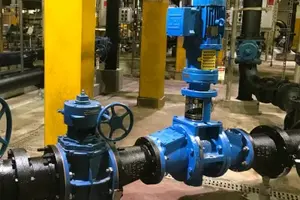
pipe system for sludge processing
Blog·November 15, 2020

A Comprehensive Guide to Sludge Processing: Enhancing Efficiency and Sustainability with the Franklin Miller Super Shredder

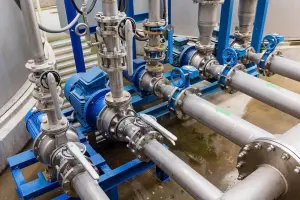
Sludge processing plays a critical role in wastewater treatment plants and various industrial processes, ensuring proper handling, treatment, and disposal of sludge while minimizing environmental impact and maximizing resource recovery. This comprehensive guide delves deeper into the stages of sludge processing and highlights how the Franklin Miller Super Shredder can make the process more efficient and sustainable. Overview of Sludge Processing Sludge is a byproduct of industrial processes and wastewater treatment plants, composed of solids, liquids, and organic and inorganic materials. Proper sludge processing involves reducing volume, stabilizing organic matter, and facilitating resource recovery of final disposal. This ensures environmental protection, regulatory compliance, and the promotion of a circular economy. Sludge Processing Stages Preliminary Treatment This stage removes large solids and grit to protect downstream equipment and processes. Screening uses mesh or perforated screens to remove large solids, while grit removal typically employs aerated grit chambers, vortex grit chambers, or centrifugal separators to remove inorganic particles like sand and gravel. Thickening Thickening increases the solids content of sludge, reducing its volume. Gravity thickeners use settling tanks to separate solids from liquid, flotation thickeners use air bubbles to float solids to the surface for removal, and centrifugation employs high-speed rotation to separate solids from the liquid phase. Stabilization Stabilization reduces odor, pathogens, and putrefaction potential by breaking down organic matter in sludge. Aerobic digestion uses oxygen-consuming bacteria to decompose organic material, while anaerobic digestion relies on bacteria that thrive in oxygen-free environments to produce biogas and stabilize the sludge. Dewatering Dewatering removes excess water from sludge, further reducing its volume. Belt filter presses squeeze sludge between porous belts, centrifuges use high-speed rotation to separate water from solids, filter presses force sludge through filter plates to remove water, and drying beds use gravity and evaporation to remove water from sludge. Conditioning Conditioning enhances the dewaterability and handling characteristics of sludge. Chemical conditioning involves adding chemicals like polymers or coagulants to improve dewatering, while heat treatment subjects sludge to high temperatures to break down organic material and improve dewatering properties. Final Disposal or Resource Recovery Processed sludge can be disposed of in landfills, incinerated, or applied to land as a soil conditioner or fertilizer. Alternatively, valuable resources such as water, nutrients, and energy can be recovered from the sludge for reuse. The Role of the Franklin Miller Super Shredder in Sludge Processing The Franklin Miller Super Shredder is a powerful inline disintegrator designed to enhance sludge processing by offering several advantages: Size reduction: The Super Shredder reduces the size of solids in the sludge, resulting in a more uniform and manageable output. This facilitates downstream processes such as dewatering, thickening, and digestion. By breaking down larger solids, the Super Shredder also helps increase the efficiency of subsequent processes, as smaller particles are more easily processed. Preventing clogs and blockages: By reducing the size of solids in the sludge, the Super Shredder prevents clogs and blockages in pumps, pipes, and other downstream equipment, minimizing costly downtime and maintenance. This directly impacts overall efficiency and process stability. Enhancing digestion and biogas production: The Super Shredder's size reduction capabilities increase the surface area of solids in the sludge, making it easier for microorganisms to break down organic material during anaerobic digestion. This leads to more efficient biogas production and overall improved digestion performance. By optimizing biogas production, the Super Shredder contributes to increased energy recovery and reduced environmental impact. Features and Benefits of the Franklin Miller Super Shredder. The Super Shredder stands out from other sludge processing equipment due to its unique features: Robust construction: The Super Shredder is built with heavy-duty materials, ensuring durability and reliability in the most demanding environments. Its sturdy design allows it to withstand the rigors of sludge processing while maintaining peak performance. Low maintenance: With its innovative design, the Super Shredder requires minimal maintenance, reducing downtime and maintenance costs. This directly contributes to higher efficiency and lower operating expenses, making it an ideal choice for sludge processing facilities. Versatility: The Super Shredder can handle a wide range of sludge types and consistencies, making it a versatile solution for various industries and applications. Its adaptability ensures that it can be easily integrated into existing sludge processing systems, streamlining operations and improving overall efficiency. Conclusion: Efficient sludge processing is crucial for environmental protection, regulatory compliance, and resource recovery. Understanding the stages of sludge processing and investing in advanced equipment like the Franklin Miller Super Shredder can significantly enhance efficiency and sustainability. As the demand for effective sludge management continues to grow, adopting cutting-edge technology will help businesses stay ahead of the competition and contribute to a more sustainable future.

Read More
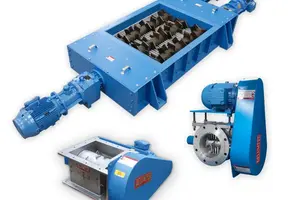
commercial crusher mechanics three parts
Blog·November 15, 2020

Top 5 Commercial Crushers That Help Manage Waste Production

Commercial crushers and lump breakers use impact and force to reduce solids, lumps and chunks in size. At Franklin Miller, our DELUMPER® brand machines are used to process wet, sticky, dry, hard or soft substances. They tear through minerals, chemicals, lumps, agglomerates, ore, filter cake, fertilizers, ash, sugar, food, plastics and more. If you are looking for the best commercial crushers on the market, you should inspect the five processors highlighted below. 1. Precision Crushers: DELUMPER® L Series Franklin Miller designed the DELUMPER® series of crushing machines to break down stuck-together input material into smooth and uniform outputs. This process is suitable for a wide range of applications and works on both wet and dry input materials. The DELUMPER L series crushers reduce products to a desired output size with a positive, once through, chopping action. They effectively reduce lumps, crush minerals, improve product consistency, facilitate mixing, drying and conveying, all while keeping process lines running smoothly. An important feature of the L series commercial crusher is that they have cutting teeth that rotate on a smooth drum, and each one is individually replaceable. 2. Powerful & Versatile Crushers: DELUMPER® LP Series Our DELUMPER® LP crushers reduce hard or soft, heat-sensitive, sticky or wet agglomerates and lumps at high volume. This machine can handle wet, sticky, dry, hard or soft substances. It is ideal for sticky solids because its long teeth clear the slots as it runs, which ensures that sticky inputs don't clog the tool and keeps production up and running. It also easily tears through chemicals, lumps, agglomerates, ore, filter cake, ash, sugar, food, plastics and more. Similar to the L series, the LP features individual, replaceable teeth. 3. Ultra Sanitary Crushers: DELUMPER® S4 If you’re looking for the ultimate in sanitation, the DELUMPER® S4 is the right commercial crusher for your needs. Highlights include precision operation, easy interior access, clean-in-place capability, quick changeover of cutting elements and a meticulously polished finish. Its convenient side door provides fast and easy access to the interior of the cutting chamber. This feature allows for quick cleaning and maintenance, allowing users to changeover from one product to another without the risk of cross-contamination. 4. Powerful Multi-Shaft Crushers: DELUMPER® Multi-Shaft The largest-scale production lines need the biggest lump breakers available, and the Franklin Miller DELUMPER® Multi-Shaft LP is the ideal commercial crusher for those enormous jobs. For even bigger jobs, the Ultra-Heavy-Duty (LP-HD) version is an option, too. These large crushers come in parallel shaft models of two and three, respectively. Whether input solids are dry, caked, sticky, or wet, the Multi Shaft LP model splits them up into desired sizes. 5. Inline Processing: Pipeline DELUMPER® Franklin Miller's DELUMPER® series includes an in-line lump breaker, the Pipeline DELUMPER®. The device is compact and easy to install within an enclosed pipe system. Clogs and blockages from thick sludges and solid chunks within a stream are no threat to the Pipeline DELUMPER®. This powerful crusher handles solids the full size of the pipe. Using one lowers the chances of time-consuming and expensive plumbing repairs like snaking blockages or, worse, cutting into the pipe to remove blockages. The DELUMPER® itself is also easy to maintain. Its seal system is within a cartridge that cuts down on the need for complicated maintenance. The unit comes with a replaceable liner, so you can refresh a Pipeline DELUMPER® many times before replacing it. While homogenizing waste liquids and sludges are typical uses for the Pipeline DELUMPER®, a company could also integrate one into its production process. Meeting Your Needs We have extensive knowledge and experience meeting all types of processing needs, and as such, we offer many add-ons and custom options. To go with our lump breakers and commercial crushers, we offer conveyors, feeders, bag stations, unloaders and more. You can even drop by our test facility to find the right solution best suited for your needs. To get more information, contact us today.

Read More
pipeline delumper product image
Latest News·October 30, 2020

Watch it Work … the New Pipeline Delumper® Video

Watch the PIPELINE DELUMPER in action in this new video. This inline lumpbreaker is a proven solution worldwide in a variety of fully enclosed pipe system applications. For more information on how the PIPELINE DELUMPER can improve your processing needs, in action in this new video. This inline lumpbreaker is a proven solution worldwide in a variety of fully enclosed pipe system applications. For more information on how the PIPELINE DELUMPER can improve your processing needs, click here.

Read More
Surge Of Wipes Use Causes Strain on Wastewater Systems
Blog·September 25, 2020

Surge Of Wipes Use Causes Strain on Wastewater Systems

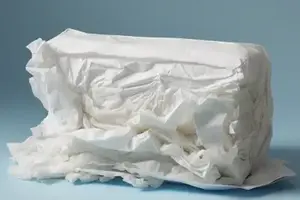
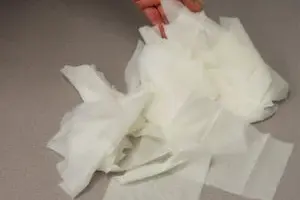
As the Coronavirus pandemic is upending life across the country, it is also putting a major strain on the nation’s wastewater systems. Shoppers are flocking to stores to stock up on toilet paper, paper towels, tissues, and cleaning wipes as they self-isolate at home and try to keep the virus at bay. Many are flushing these items rather than disposing of them properly, which can be catastrophic to pipes and wastewater systems. The major influx of wipes and other cleaning materials into plants is increasing the demand for high powered sewage grinders such as manufactured by Franklin Miller Inc. of Livingston, NJ.  According Franklin Miller’s President, William Galanty, we’re hearing from wastewater plants around the country as well as nursing homes, condo complexes and hospitals.  Blockages caused by non-flushable materials are presenting a major challenge to plant operations. Says Galanty, “we always recommend that the public not flush cleaning materials or other foreign objects because plants are experiencing major issues with them.” These various cleaning and disinfecting materials can be quite useful at home but they are often not biodegradable and do not break down like toilet paper. Instead, they accumulate in and clog pipes, congregate on equipment, cling to valves, hang out on pump impellers, and generally constitute a dangerous nuisance at times like these. In many cases, a lack of toilet paper has led residents to use other items in place of toilet paper. Numerous sewer pump clogs are being reported from the influx of paper towels, napkins and in some cases even material such as cut up towels or clothing. Because these items are not meant to break down like toilet paper, they are clogging the systems. Sewer officials across the nation are putting out a distress call over this crisis within a crisis. The combination of a shortage of plant personnel and this major influx of wipes and other cleaning materials is costing municipalities large sums in increased plant maintenance and downtime. Officials warn of the growing problem in not only the wastewater treatment system, but in individuals homes as well. In a statement, the Boston Water Commissioner stated that clogged pipes can lead to additional health hazards. “In these times when we’re confronting a major health crisis, the addition of health hazards created by clogged pipes and blocked sewers are situations we don’t need and that are quite avoidable,” the sewer commission said in a statement. New Jersey American Water put out an advisory to their customers not to flush anything down the toilet. “Flushing wipes, paper towels or other paper products not intended for use in wastewater systems down the toilet can lead to sewer backups and in-home plumbing issues that may be expensive to repair.” If your wastewater facility is facing this problem give Franklin Miller Inc a call to discuss how one of their powerful grinders can help.  Call them at 973-535-9200. For more information contact Franklin Miller Inc. 60 Okner Parkway, Livingston, NJ 07039 973-535-9200.

Read More
man operating pallet shredder
Latest News·September 2, 2020

Grinding & Shredding: Eco-Friendly Wooden Pallet Disposal Options

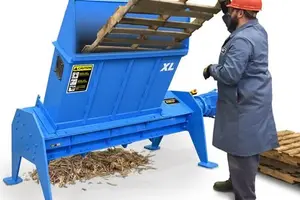
Wooden crates and pallets are used for shipping, storage, and a myriad of other industrial applications. Over time, these items add up, leaving you with an unhygienic eyesore and a major problem when it comes to the amount of space you have available. Thankfully, there are wooden pallet disposal methods that will not only get rid of the pallets, but will do so in a timely and cost-effective manner. Read on to learn more. Using a Shredder for Wooden Pallet Disposal Although wood is a natural material, it can still be a hindrance to our environment. Wood waste that sits in a landfill can rot, leading to many issues. When wooden pallets sit in a manufacturing facility or factory, they take up valuable space that could be used for something else. An industrial shredder can be the answer to your wooden pallet disposal woes. These heavy-duty machines can quickly grind and shred wood of all kinds and turn it into small pieces to be disposed of. Shredding pallets also reduces bulk and therefore cuts down disposal costs. Franklin Miller Wood Pallet Shredders Special wood pallet shredders, such as the TASKMASTER® XL or TASKMASTER® TM3000 are highly efficient, fast and a smart investment for any size business. They're both strong and powerful enough that they can shred your pallets, nails and all. These options are wise if you have a large operation and need to get rid of wooden pallets quickly so they don't take over your warehouse. TASKMASTER® XL Pallets can be dangerous, unsightly, accumulate mold and attract animals. The XL pallet shredder helps avoid these issues while limiting the amount of solid waste containers needed each week. This machine reduces the size and bulk volume of wood pallets, so it will quickly pay for itself. It also features easy maintenance, quiet operation along with a low shaft speed and high torque shredding action. Its heavy construction, oversized shaft and high-strength bearings assure long life and reliable service. It contains a controller that senses jam conditions and automatically reverses the direction of operation to clear the obstruction for a preset amount of times, and makes it easy to get inside to remove an unshreddable object. It also comes with an auxiliary discharge conveyor feature that pushes output into a waste container, along with an optional infeed conveyor. TASKMASTER® TM3000 The TASKMASTER TM3000 cuts wood pallets and numerous other materials down to size quickly and efficiently. A high-torque, low-speed industrial shredder, it has a long history of assisting with pallet destruction, wood recovery and reclamation. It’s built for the highest level of performance and reliability using quality components, superior design and engineering. It boasts heavy construction features, and can also be used on electronic waste, steel drums, car tires, light sheet metal, construction waste and much more. Say Goodbye to Wood Waste With the right wooden pallet disposal plan, you can contribute to a healthier, cleaner planet, all while saving money on disposal costs. From shredding your pallets to giving them away or recycling them, make sure you're disposing of them in an eco-friendly way. If you deal with a massive number of wooden pallets, an industrial shredder from Franklin Miller, where we’ve been doing this for over 100 years, is a smart investment. For more information about our products and how we can help, visit our website, or contact us today.

Read More
big truck with shredded metals
Latest News·June 27, 2020

7 Questions to Ask Before Choosing a Metal Shredder

Have you been thinking about how to deal with all of your metal waste? Have you considered a metal shredder as an option? A metal shredder can help improve business efficiency, as it will allow you safely dispose of waste, clearing up time and space for you to proceed with other activities of your business. However, there are a number of different factors that go into choosing the right shredder for your needs. Here are the seven questions you need to ask when choosing a metal shredder. 1. What Does A Metal Shredder Do? While you might already know a thing or two about metal shredding, it’s good to be clear on what these devices can be used for so you get the most out of your shredder. A metal shredder can be used in the following applications: Reducing your business’ metal waste to more movable material (e.g. strips or small particles) Destroying sensitive information stored on electronic devices Assisting with recycling Allowing metal to be reused or repurposed Disposing of metal properly is important to not only make your business more efficient, but also to protect the environment and safeguard your investments. The importance of each factor may vary depending on your business, but regardless, you should consider each of them before committing to a particular metal shredder. 2. What Will You Be Shredding? Next, determine what exactly you will be shredding. This takes into account the following components: The type of metal The type of objects and their shape Whether the metal contains sensitive information Certain shredders are more appropriate for different types of materials. For example, if the metal being fed into the machine is a hard alloy, a stronger shredder will be needed. On the other hand, a standard metal shredder can handle items such as thin strips of aluminum. 3. What Shredding Capacity Do You Need? There are two sub-questions to be asked in regards to metal shredder capacity: Will you be shredding a lot or a little? How often will you be shredding? If your business produces large amounts of metal waste on a daily basis, you’ll want a machine with a higher capacity, meaning you will be able to feed more metal into the machine at a higher rate. You should also check out the cool-down time of the shredder. Shredders use a lot of energy as they heat up very quickly. Make sure that the shredder you want is going to be able to be used as often as you want. 4. What Safety Features Do You Need? The safety features you need will likely depend on who will be using the machine and what is being shredded. If the people using the machine are inexperienced, it’s a good idea to get one that can be used easily. However, if you are shredding large or complex items, this may not be possible. Safe metal shredders will have features such as protective screens and auto-shutdowns. 5. What Are Your Space Constraints? This one might seem obvious, but it’s an essential factor to consider. If you are operating a small warehouse, you may only have room for a small shredder. If that’s the case, hopefully, you aren’t shredding bulk materials. Before you purchase a shredder, do an audit of your current business space, and see how your available space can be optimized. Once you’ve worked out how much space you have to spare, you will know the maximum shredder size you can get. 6. How Do You Want Your Metal to Be Shredded? There are four main ways that a metal shredder will cut: Grind Strip-cut Cross-cut Particle-cut A metal grinder will destroy the metal completely and transform it into dust. A strip-cut shredder reduces the metal into strips, much like a standard paper shredder. A cross-cut shredder works by making two separate cuts. It will make one cut one way (e.g. vertical) and then cut again the other way (e.g. horizontal). As a result, the pieces coming out on the other side will be small pieces, often in the shape of squares or diamonds. The particle-cut shredder uses multiple cuts to create a more specific shape than the cross-cut shredder. Deciding which of these shredding methods is best for you will have a lot to do with the type of metal you are cutting, as well as how you plan to transport it once it’s been cut. If you are dealing with sensitive information on electronics, you may want a shredder that cuts the metal into smaller pieces so that nothing slips through. 7. What Extra Features Do You Need? There are a lot of different metal shredder features that go beyond the considerations outlined above. For example, some metal shredders will also work with other materials, such as wood and plastic. Other metal shredders will come with features that impact the ease of use, or give you greater control over its operation. To determine which extra features you might want, it’s best to look at the available shredders and see what they offer. They might have features you didn’t know existed or could have a use for. Often, these features will provide a lot of added value, so take the time to review them. Get Shredding A metal shredder provides an excellent solution for those dealing with business waste. It can improve efficiency in your workplace by quickly destroying materials that are no longer needed. It also makes it easier to remove this waste from the building or worksite. Additional benefits include assisting with recycling, destroying sensitive electronic information, and helping to reuse metal waste for other purposes. It’s important to consider all the different ways that a metal shredder can work for your business before choosing one. By answering the questions above, you should be able to choose a shredder that maximizes your business’ efficiency. So, now that you’ve worked out everything you need to know about how to choose the right shredder, the only question that remains is where to find it? Don’t wait around — check out our range of industrial shredders and get shredding today!

Read More
three rubber granulators stacked
Latest News·June 24, 2020

Rubber Granulators: Reducing Natural & Synthetic Bales to Bits

Every year, millions of tons of rubber are produced worldwide. This compound is used in many different ways throughout our daily lives. We use it so often because it's strong, durable and flexible, but it can also be difficult to transport, breakdown and assemble. Scientists, engineers and environmentalists have developed systems that effectively break down natural and synthetic bales of rubber into smaller bits so they can be made into useful rubber parts. A common machine that gets the job done is a rubber granulator. There is a lot to learn about rubber granulators and the process of breaking down bales of rubber, and we've gathered all the most important information for you to know. What Are Rubber Bales & What Is Their Purpose? A rubber bale is a large chunk of natural or synthetic rubber. A common form used in rubber bales is EPDM rubber, which is a synthetic rubber that has many useful applications. Not much can be done with rubber bales in their present state. It will require processing, heating and molding in order to be of use for a rubber product manufacturer or distributor. Most suppliers will use a large guillotine to slice rubber bales down into smaller chunks, but that’s a slow and labor-intensive process. It also can't possibly get the material down as small as it needs to be. That’s why it’s important to have access to a rubber granulator, such as the VULCANATOR®, that breaks bales down to small pieces and dramatically reduces the time it takes to dissolve the rubber. How Do Rubber Granulators Work? Rubber granulators receive large bales of rubber and process them into smaller bits. The VULCANATOR®, the granulator that we specialize in at Franklin Miller, has the unique ability to reduce the entire 75 lb. bales of synthetic or natural rubber. This device is specially designed for the rubber and heavy plastics industry and can drastically reduce processing time, resulting in dramatic cost savings. It comes in two models; KM10 and KM30. It can handle all types and shapes of vulcanized or non-vulcanized, natural or synthetic rubber including full bales, sheets and chips. The way it works is rubber material is fed into the unit either manually or over a conveyor belt. Built-in rotary knives grab the material and slice the bale into the desired output size. What makes the VULCANATOR® stand out compared to other standard granulators is the fact that it quickly reduces rubber into small bits without the heat rise associated with other designs that require expensive cooling devices. What’s Next For Rubber Bits? As mentioned, rubber is a strong compound with many applications in our daily lives. After rubber bales are reduced to bits, they can be used in making any number of rubber parts. Some common applications include rubber gloves, gaskets, tires, turf fields, rubber sheets for flooring and insulation, roadway embankments and train tracks, adhesives such as glue and sealants along with other other rubber components, pieces and parts. Find a Rubber Processing Center Breaking down rubber properly is very important. If not done correctly, it can be a very labor-intensive and costly process that’s also not good for the environment. The best thing to do is find a facility that can process your rubber bales, or invest in a device of your own to get the job done. If you have more questions on using rubber granulators to slice up bales of rubber, or are ready to get started, contact us today!

Read More
Introducing the TM6500 Compact Grinder

Introducing the TM6500 Compact Grinder

Introducing the all new TASKMASTER® TM6500. This unit packs powerful twin shaft grinding performance in compact design. The TM6500 offers excellent grinding performance for protection of pumps, valves, centrifuges and more in sludge and raw sewage applications. Like the larger TM8500, this unit features CUTTER CARTRIDGE® Technology for high strength. Other features include small footprint to fit into tight plant locations, a drop-in housing design for easy maintenance, heavy 2” hex shafting and more. The TM6500 features minimal maintenance. The unit’s proven seals as well as the bearings are located in bearing/seal cartridge assemblies. The unit is powered by a 2hp (1.5kw) gearmotor.  The TASKMASTER can be successfully installed in sewage treatment plants, sludge lines, pumping stations, roadside or runway sanitary facilities, institutional waste, or small solid waste applications. The unit is supplied for open channel or in-line applications.

Read More

Technical Resources & White Papers

Access engineering guides, technical specifications, and industry white papers to support your project planning.

Engineering Excellence Since 1918

Ready to Solve Your Toughest Processing Challenges?

Our team of engineers is ready to help you find the right equipment for your application.