
Correctional & Institutional Wastewater
Correctional Facility Wastewater Solutions
Prisons and jails send a waste stream through the collection system that no municipal plant is designed to receive. Sheets, blankets, towels, uniforms, shoes, plastics, and contraband go down cell toilets every day, some by accident and much of it deliberately.
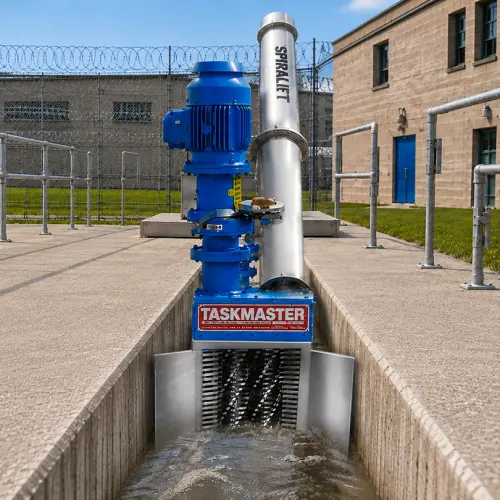
Franklin Miller grinders and screens intercept that material where it enters the system and the Spiral Screening Systems importantly remove the solids. Twin-shaft TASKMASTER® grinders reduce heavy solids ahead of the pumps, and SPIRALIFT screening systems capture, wash, and dewater what should never reach treatment at all.
5
Products
Since 1918
Established
Made in USA
Manufacturing
Livingston, NJ
Headquarters
Correctional Facility Wastewater Products
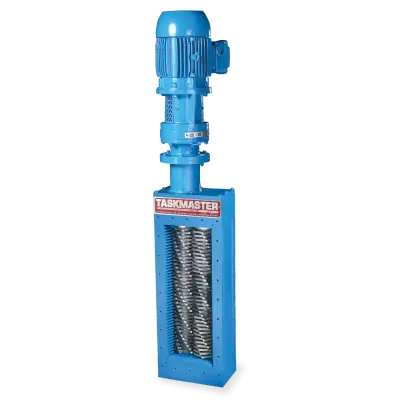
TASKMASTER® TM8500 Wastewater Grinder
Twin-shaft CUTTER CARTRIDGE® grinder, easy service
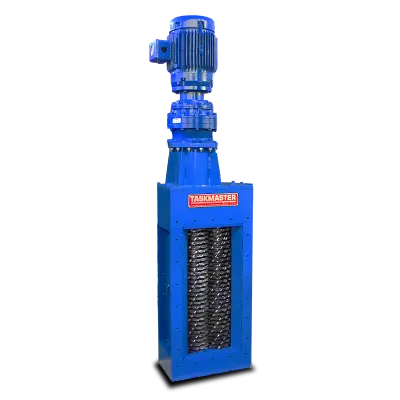
TASKMASTER® TM1600 Grinder
Twin-shaft grinder for rags, sludge, and biosolids
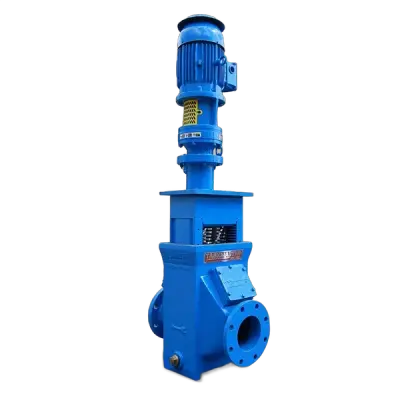
TASKMASTER® TM8500 Inline
Inline pipeline grinder with CUTTER CARTRIDGE® tech
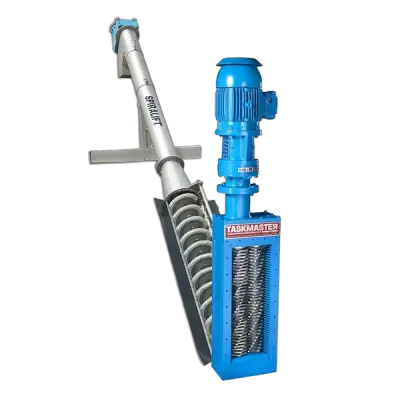
SPIRALIFT® SL
Integrated TASKMASTER® grinder plus screw screen system
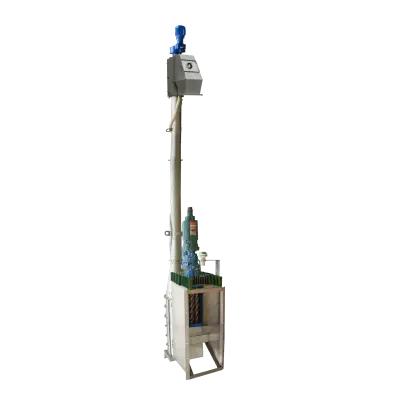
SPIRALIFT® SLV
Vertical fine screen built for pump station wet wells
Explore full product lines:
Related Product Categories
Equipment Categories for This Application
Compare product families commonly used for correctional facilities applications.
Discuss Correctional Facilities Equipment
This inquiry link preserves application context on the contact form for cleaner lead attribution.
What Ends Up in the Flow
A correctional influent stream looks nothing like a municipal one. Alongside normal sanitary flow, operators pull out full bed sheets, blankets, towels, uniforms, shoes, mop heads, plastic bags, and improvised contraband. Flooding a cell is a routine form of protest, so the loading does not arrive evenly. It arrives in surges.
Conventional bar screens and comminutors were not built for that. They blind over, overflow, or pass the material downstream where it wraps around pump impellers and destroys seals and bearings. Facilities that leave the problem alone pay for it in emergency callouts, replacement pumps, and surcharges from the receiving authority.
Grinding Ahead of the Pumps
The TASKMASTER® TM8500 is the workhorse for this duty. CUTTER CARTRIDGE® technology uses one-piece monolithic cutter elements to shear textiles, plastics, and disposables into pieces pumps pass without binding, across flows from 550 to 6,653 GPM in a high-flow, low-headloss design that installs inline, in an open channel, or in a gravity application.
Where the load is heavier, such as screening discharge, biosolids, or a channel that sees whole blankets, the TASKMASTER® TM1600 brings 2-3/4 inch hex shafting, hardened alloy steel cutter and spacer elements, and 10 or 15 HP of torque across flows from 900 to 3,900 GPM. Both units accept submersible or explosion-proof motors and hydraulic drives when the installation calls for it.
Screening and Dewatering at the Headworks
Grinding protects the pumps. Screening removes the material from the plant entirely. The SPIRALIFT SL combines a TASKMASTER® grinder with a screw screen so a single unit screens, washes, transports, and dewaters the solids it captures. An optional compaction zone drives moisture out of the screenings, which cuts both hauling weight and disposal cost. Baskets run 12 to 27 inches in 304 or 316 stainless steel.
When there is no room for a conventional screen, the SPIRALIFT SLV goes in vertically. Built for pump station wet wells, it pairs CUTTER CARTRIDGE® grinding with a vertical screw screen and ultrasonic level control in models handling 0.6 to 3.5 MGD, in a footprint that fits shafts and pits where nothing else will.
Proven in Correctional Facilities

Graterford Prison, a maximum security facility in Pennsylvania, ran 650,000 gallons a day from 3,600 inmates through bar screens and comminutors that could not keep up. Franklin Miller installed SPIRALIFT screening systems, each built around a TASKMASTER® TM1630 shredder with a 10 HP drive. Pump clogging stopped, emergency maintenance calls ended, and screenings left the building as confetti-sized particles with moisture cut by more than half. The utility supervisor credited the system with making the plant run 98 percent more efficiently.
At the Northeast Correctional Facility in Bowling Green, Missouri, 300,000 gallons a day of paper, jumpsuits, and debris were destroying pump station equipment at a cost of more than 30,000 dollars a year in replacements. The pit was 35 feet deep and nothing conventional would fit. A SPIRALIFT SLV dropped in vertically and ended the clogging, and the operator reports it has proven to be very low maintenance.
Application Fit
Common Challenges We Solve
Textiles and contraband in the influent
Sheets, blankets, uniforms, towels, shoes, and plastics enter the collection system daily and arrive in surges rather than as a steady load.
Pumps and lift stations clogging
Rags and textiles wrap impellers, bind pumps, and destroy seals and bearings, driving emergency callouts and repeat replacements.
No room for conventional screening
Existing wet wells, deep pits, and narrow channels rule out standard screens, so the equipment has to fit the space that is already there.
Screenings handling and disposal cost
Captured solids leave the site wet and heavy unless they are washed and compacted, putting hauling and disposal on the operating budget.
Recommended Equipment & Related Solutions
Where To Go Next
TASKMASTER® TM8500
Twin-shaft grinding ahead of pumps and lift stations, with inline, channel, or gravity mounting.
SPIRALIFT SLV
Vertical fine screen with an integrated grinder for pump station wet wells and deep pits.
Wastewater Treatment
Where grinders and screens fit across headworks, pump stations, and downstream treatment.
Wipes and Rags
The same ragging problem in municipal collection systems, and the equipment used to solve it.
Need Help With Your Correctional Facility Application?
Tell us your flow rate, the material you are pulling out today, and the space you have to work with. Our engineers will recommend a grinder, a screen, or both.
Common Questions
Frequently Asked Questions
1What makes correctional facility wastewater different from municipal wastewater?
Volume is not the problem. Content is. Correctional influent carries bed sheets, blankets, towels, uniforms, shoes, mop heads, plastics, and contraband, flushed both accidentally and deliberately. That material arrives in surges rather than as a steady load, and conventional bar screens and comminutors sized for municipal flow either blind over or pass it downstream.
2Should I install a grinder, a screen, or both?
A grinder conditions solids so pumps can pass them, which is the direct answer to clogging at a pump station or lift station. A screen removes the material from the flow entirely, which is what a plant with a discharge standard needs at its headworks. Many correctional facilities run both: a TASKMASTER® grinder protecting the pumps and a SPIRALIFT screening system capturing solids before treatment.
3Can this equipment be retrofitted into an existing wet well or channel?
Yes. TASKMASTER® grinders mount inline, in open channels, or in gravity installations, with wet-well frames, FRP manholes, guide rails, and submersible or explosion-proof motors available. The SPIRALIFT SLV was designed specifically for retrofits where there is no room for a conventional screen. It installs vertically and has gone into pits as deep as 35 feet.
4What happens to the material a screen captures?
The SPIRALIFT screens, washes, conveys, and dewaters in a single unit. An optional compaction zone reduces screenings moisture by more than 50 percent, so what leaves the site is lighter and cheaper to haul, while the organics washed back into the flow stay in the process where they belong.
5Will the equipment hold up to deliberate abuse?
It is built for it. TASKMASTER® grinders use low-speed, high-torque twin-shaft cutting with hardened alloy steel cutters and heavy hex shafting, 2-3/4 inch on the TM1600, designed to shear textiles and plastics rather than stall on them. CUTTER CARTRIDGE® construction on the TM8500 replaces stacked cutter assemblies with one-piece elements, so there is no stack retightening and there are fewer parts to service.
Popular Resources
Correctional Facilities Resources
Related technical resources and articles for this application.
Industries & Applications
Explore Other Industries
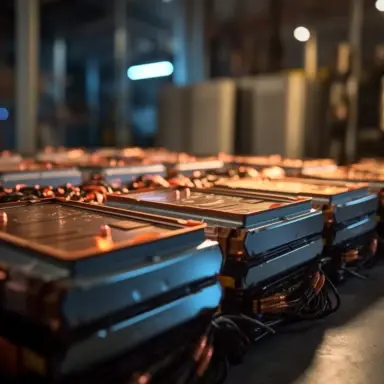
Batteries
Our battery shredders reduce waste and scrap quickly and efficiently with a low speed high torque operation.

Biomass
Twin shaft grinders are used for primary reduction of biomass solids. Taskmaster® biomass grinders can handle a wide range of materials in biogas production.

Cannabis Grinders
Discover Franklin Miller's Industrial Cannabis Grinder and Knife Mill solutions for efficient, precise, and gentle cannabis processing, ensuring consistent particle size and high-quality end products.

Cannabis Waste Shredders
TASKMASTER® Cannabis Waste Shredders from Franklin Miller deliver powerful, compliant shredding solutions for cannabis plant waste, simplifying disposal and enhancing operational efficiency for growers and processors.
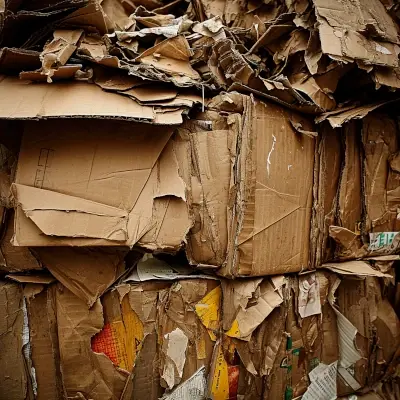
Cardboard
Franklin Miller's TASKMASTER® industrial cardboard shredders streamline recycling, reduce waste volume, and enhance operational efficiency.
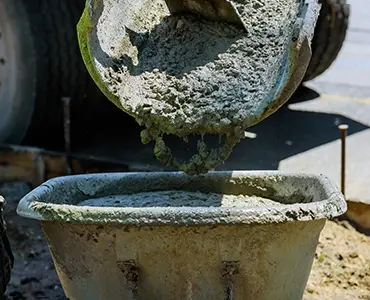
Cement
Discover Franklin Miller's Cement Crusher and Cement Lump Breaker solutions, designed to optimize cement production efficiency, reduce downtime, and ensure consistent material sizing and flow for high-quality output.

Dairy Wastewater Treatment
Franklin Miller Inc.'s range of innovative dairy wastewater management solutions. From rotary drum screens to advanced grinders, our equipment ensures efficient processing, regulatory compliance, and protection for downstream systems in dairy facilities
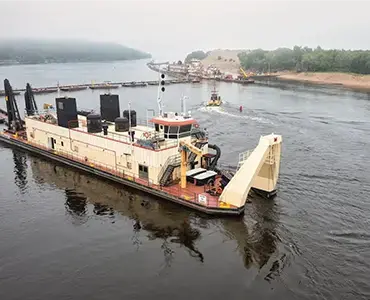
Dredging
Boost your dredging operations with Franklin Miller grinders, offering efficient debris reduction and protection for dredging pumps. Explore our solutions!

Electronic Waste Shredders
Our electronic waste shredders and e-waste shredders reduce waste and scrap quickly and efficiently with a low speed high torque operation.
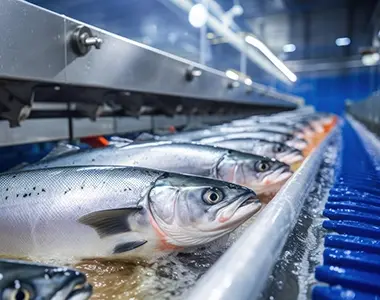
Fish & Seafood Processing
Franklin Miller’s fish shredders can handle the toughest fish and seafood waste. Our seafood processing equipment provide effective solids reduction.
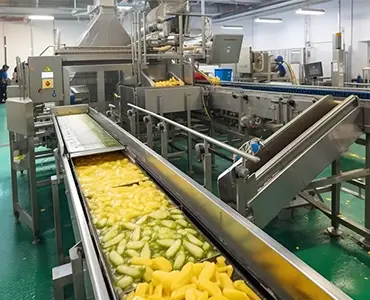
Food Processing Equipment
Franklin Miller's line of Delumpers and Shredders can be finely calibrated to output a specific size for any food processing equipment needs.
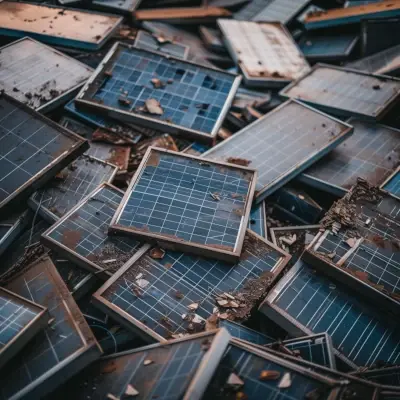
Solar Panels
Explore our range of solar panel shredders, crafted to efficiently recycle and recover valuable materials from expired solar panels. Discover how our cutting-edge solutions aid in sustainable waste management.

Food Waste
Franklin Miller’s TASKMASTER® food waste shredders and grinders reduce any foodstuff down to size. Our industrial strength dual-shaft grinders can handle all types of food products with ease.
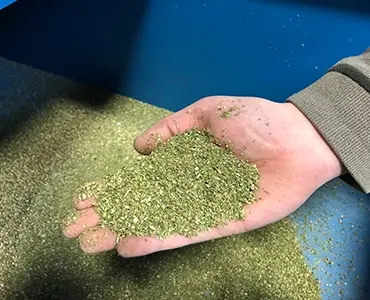
Hemp Mills
DEFINER KM hemp knife mills are compact, high-performance hemp mills that cut solids to the desired output size with a shear action without over grind.

Hemp Shredders
Franklin Miller hemp shredders and mills handle both wet and dry materials with ease. Whether coarse shredding or fine milling we have a solution for any application.
Industrial Treatment
Franklin Miller's range of industrial shredders, crushers, and screening systems for diverse processing applications.
Industrial Wastewater
Industrial Wastewater Treatment Solutions
Inline Grinders
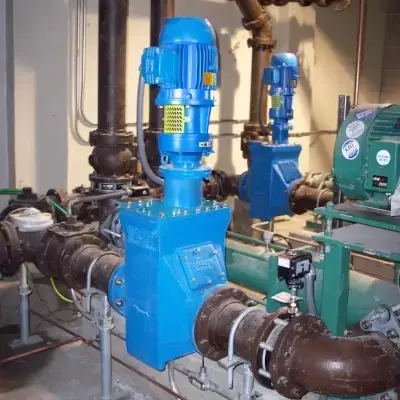
Franklin Miller Inline grinders are designed for a wide range of application include high flow, heavy solids, and fine grinding applications.
Meat Processing
Franklin Miller's equipment helps meat processing facilities manage high volumes of wastewater laden with fats, oils, grease, and solids.

Medical Waste Shredders
Taskmaster® medical waste shredders are designed for processing syringes, latex gloves and more for safe disposal without the possibility of re-use.
Metal Shredders
Franklin Miller’s industrial metal shredders are the industry standard for any scrap metal recycling operation. Our shredders handle hard drives, circuit boards, laptops, and much more.
Mining
Delumper brand machines crushers deagglomerate coal, fly ash, phosphate, minerals and much. Our unit can handle capacities of 1000 tons an hour and more.

Oil and Gas
Franklin Miller has a multitude of inline processors suitable to handle the complex demands of oil and gas applications. The unique needs pertaining to the extraction, refining, and transporting of petroleum products can be easily handled by Franklin Miller grinders.
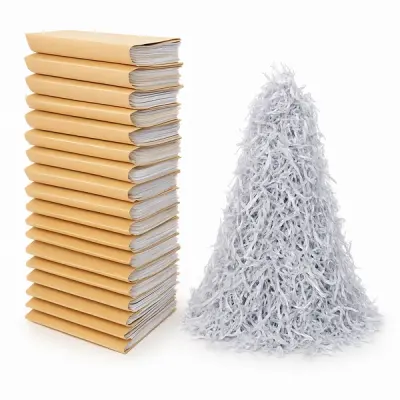
Bulk Paper Shredding
Industrial document shredders can handle a large volume of papers, documents, cardboard and more with ease. Check our document shredders online.
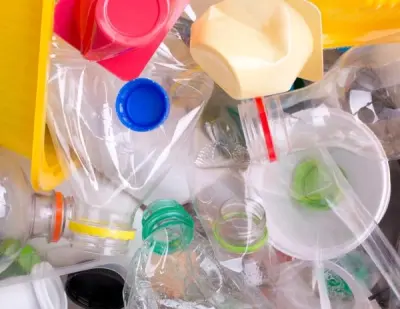
Plastic Shredders
Franklin Miller offers powerful industrial plastic shredders engineered for maximum durability and efficiency.

Poultry Processing
Explore Franklin Miller advanced rotary drum screens and grinders, designed to optimize poultry processing efficiency, reliability, and performance.
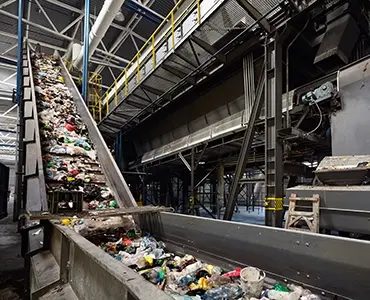
Recycling
Taskmaster® recycling shredders are used at recycling facilities around the world. Our shredders can be configured to meet the needs of any application.
Rendering
Franklin Miller grinders and crushers are used by rendering plants worldwide for size reduction processes. We have a full line of in-line and hopper fed units.

Rubber
Discover Franklin Miller's high-quality Rubber Granulators, designed for efficient and precise size reduction of rubber materials, optimizing recycling processes.

Shipboard Shredders
TASKMASTER® shipboard shredders help with the efficient and ecologically friendly disposal of galley, plastic, and other shipboard waste.
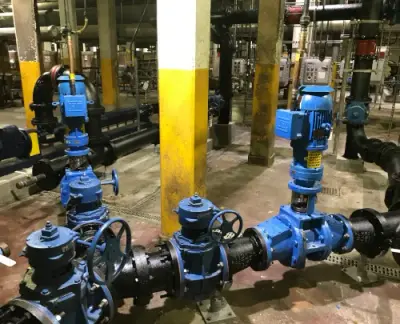
Sludge Grinders
Franklin Miller Inline sludge shredders and grinders are used by wastewater treatment plants for reducing oversized solids in channels and pipelines.

Textile Shredders
Franklin Miller textile and clothing waste shredders can handle large volumes of fabrics, clothing and more with ease. They are ideal for recycling a wide variety of materials.
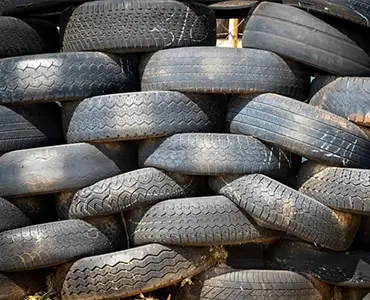
Tires
Franklin Miller tire shredders can shred car, off-road and light truck tires without debeading. Our tire shredders provide cost-effective tire shredding.
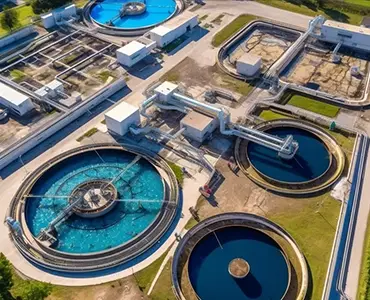
Wastewater Treatment
Franklin Miller manufactures a wide range of wastewater treatment equipment including grinders and screens. Our equipment is engineered for reliability and simplicity.

Wipes
Franklin Miller’s wipes grinders can handle most of the difficult waste including flushable wipes. Our grinders help prevent pumps from clogging worldwide.
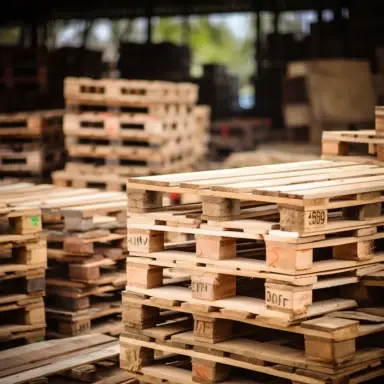
Wood Pallet Shredders
Franklin Miller's industrial wood pallet shredders substantially reduce the expense of disposing of pallets by reducing their bulk volume.
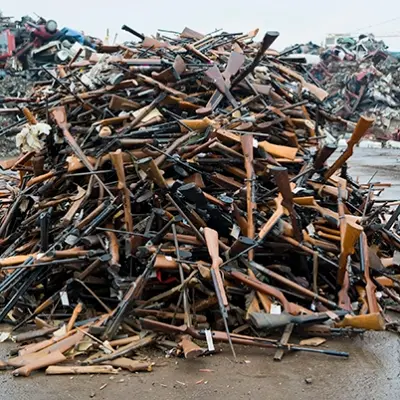
Firearms
Industrial solutions for the safe disposal of firearms.
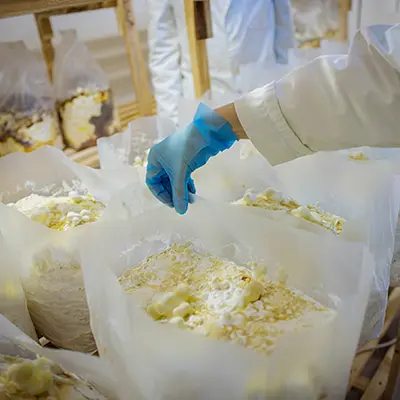
Industrial Chemical Crushers
Franklin Miller's crushers reduce solids, lumps, and agglomerates to precise sizes, ensuring product consistency and operational efficiency.
Trusted by Industry Leaders Worldwide







Engineering Excellence Since 1918
Let's Find the Right Solution for Correctional Facilities
Our team is ready to help you select the right equipment for your correctional facility and its operating conditions.